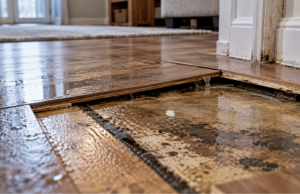
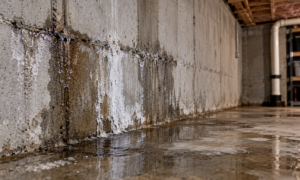
A severe storm can create several types of property damage at once. Wind may tear shingles from a roof, fallen branches can damage siding or windows, heavy rain may enter through new openings, and surface water can reach basements or lower levels.
Even after the storm ends, moisture can continue spreading inside the building.
The safest recovery process begins with identifying immediate hazards, preventing additional damage, documenting the loss, and arranging professional Wind and Storm Damage Restoration.
Check for Immediate Safety Hazards First
Before inspecting the property closely, look for conditions that could cause injury.
Common hazards include:
- downed power lines;
- damaged electrical systems;
- broken glass;
- unstable trees;
- roof damage;
- standing water;
- sagging ceilings.
Do not climb onto a storm-damaged roof yourself. Wind or falling debris may have weakened decking or created unstable areas that are not visible from the ground.
If local authorities have restricted access, follow their instructions.
How to Prevent Additional Damage
Once the property can be approached safely, the next priority is stopping the situation from getting worse.
Broken windows, damaged doors, or roof openings may allow more rain to enter.
Temporary stabilization may be necessary until permanent repairs can begin.
Inside the property, move undamaged belongings away from active leaks only when it is safe.
If significant water has entered, professional Water Damage Restoration can help remove standing water and begin drying.
For a structured emergency response, see Emergency Water Cleanup Checklist for Homeowners.
Document Storm Damage for Insurance
Photograph and record visible damage before major cleanup or repairs begin.
Document:
- exterior damage;
- roof or siding problems;
- broken windows;
- water entry points;
- affected rooms;
- damaged belongings;
- temporary emergency repairs.
Keep receipts for temporary work and contact your insurer for specific claim instructions.
If water damage is part of the loss, review Does Homeowners Insurance Cover Water Damage? What Is and Isn’t Covered.
Storm Damage vs. Flood Damage
Not every water loss caused by a storm is technically flood damage.
Rain may enter through a roof damaged by wind. Water may enter through broken windows. Surface runoff may collect around a foundation and reach the basement.
These events can cause similar damage inside the home but may be treated differently for insurance and restoration purposes.
For a clear comparison, see Water Damage vs. Flood Damage.
Roof-related water intrusion is discussed further in Roof Leak Water Damage: Signs You Should Not Ignore.
Watch for Hidden Moisture After the Storm
Visible water is only part of the problem.
Moisture may remain inside ceilings, walls, insulation, floors, and other structural cavities after the storm has passed.
A surface that feels dry does not necessarily mean the material behind it has dried.
See Water Damage Behind Walls: How to Detect a Hidden Problem for common signs of concealed moisture.
If wet materials remain for too long, mold may also develop. Learn more in How Fast Does Mold Grow After Water Damage? What Happens in the First 24–48 Hours.
Quality Restoration provides Wind and Storm Damage Restoration, Water Damage Restoration, and Flood Damage Restoration, helping coordinate emergency stabilization, water removal, drying, cleanup, and repairs after severe weather.