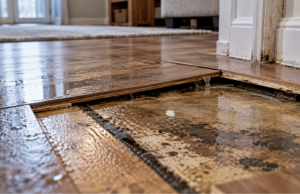
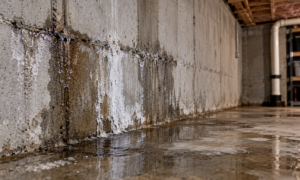
Water damage is not always visible as a puddle on the floor. A leaking pipe, roof opening, damaged appliance connection, or poorly sealed window can release water inside a wall cavity. Drywall and paint may hide the problem while insulation, wood framing, baseboards, and nearby flooring continue absorbing moisture.
Finding the warning signs early can help prevent a small leak from becoming a larger structural and mold-related problem.
Why Water Remains Hidden Inside Walls
Wall cavities contain porous materials that absorb and retain moisture. Drywall, wood, insulation, and dust may stay damp even when the visible surface feels dry. Paint, wallpaper, tile, and wall panels can also slow evaporation and trap water inside the structure.
The EPA notes that hidden moisture and mold may be found on the back of drywall, wallpaper, or paneling. Wet materials should generally be dried within 24 to 48 hours to reduce the risk of mold growth.
Common Causes of Hidden Wall Water Damage
Water behind a wall may come from:
- A leaking water supply or drainpipe;
- A roof leak traveling along rafters or framing;
- Failed caulk around a shower, bathtub, sink, or window;
- Damaged siding, flashing, or exterior seals;
- Condensation on cold pipes;
- An overflowing appliance in an adjoining room;
- Foundation seepage affecting basement walls.
The visible damage may not appear directly beside the source. Water can follow pipes, studs, floor joists, and other building components before reaching an exposed surface.
Look for Stains and Surface Changes
Discoloration is one of the most common signs of hidden water damage. Check walls and ceilings for yellow, brown, gray, or darker patches. A stain that grows, returns after painting, or becomes more noticeable after rain or plumbing use may indicate an unresolved leak.
Other warning signs include:
- Bubbling, peeling, or cracking paint;
- Loose or curling wallpaper;
- Swollen or separated baseboards;
- Soft, chalky, or crumbling drywall;
- Warped trim or flooring;
- Rust around screws or metal corner beads;
- Dark spots along wall seams and corners.
A damaged area may also feel cooler or slightly damp compared with the surrounding wall. Avoid pressing hard on swollen drywall, particularly on a ceiling, because heavily saturated material may be unstable.
Pay Attention to Musty Odors
A persistent musty or earthy smell can indicate damp building materials or hidden mold growth. The odor may become stronger when the room has been closed, indoor humidity increases, or the heating and cooling system begins operating.
The EPA advises considering hidden mold when a building smells moldy but no visible source can be found, especially when the property has previously experienced water damage.
Listen for Unusual Sounds
Dripping, faint hissing, or the sound of running water may reveal a concealed plumbing problem. Listen when faucets, toilets, appliances, and other fixtures are turned off.
An unexplained increase in water consumption can also suggest a hidden leak. Check whether the water meter continues moving when no water is intentionally being used. However, the meter cannot show where the leak is located, so further inspection may still be required.
Check Both Sides of the Wall
Inspect the room on the opposite side of the suspected wall. Also examine the area above and the ceiling below. Water may spread farther than the visible stain suggests.
Check:
- Cabinets and closets;
- Baseboards and doorway thresholds;
- Flooring beside the wall;
- Plumbing fixtures in adjoining rooms;
- Ceilings on the floor below;
- Attic areas above the damaged section.
A small mark on one side of a wall may correspond to a much larger wet area inside the cavity.
Use a Moisture Meter Carefully
A consumer moisture meter may help compare the suspected area with a dry section of the same material. Take several readings rather than relying on one result.
Higher readings can indicate that closer inspection is needed, but they do not always identify the source or extent of the water. Metal fasteners, pipes, wall composition, and surface materials may affect the results.
Thermal imaging may reveal temperature differences associated with evaporation or missing insulation, but a temperature difference alone does not prove that water is present. Findings normally need to be confirmed with moisture measurements and a physical inspection.
Watch for Changes After Rain or Plumbing Use
The timing of the damage can provide useful clues:
- Moisture appearing after rain may indicate a roof, flashing, siding, gutter, or window problem;
- Damage after using a shower or bathtub may suggest failed caulk, grout, a drain, or a supply line;
- Moisture after running a dishwasher or washing machine may point to an appliance hose or drain connection;
- A stain that changes without weather or fixture use may indicate a continuously leaking pipe.
Record when stains, odors, or dampness appear. Photos taken over several days can help show whether the affected area is spreading.
When Further Inspection Is Necessary
Surface checks may not be enough when the wall feels soft, staining continues to expand, a musty odor remains, or the leak lasted for an unknown period.
Further inspection may involve professional moisture meters, infrared imaging, humidity measurements, or a small inspection opening. A borescope can sometimes be inserted through a limited opening to view part of the wall cavity without removing a large section of drywall.
Quality Restoration also warns that painting over a stain, replacing finishes too early, or closing a wall before checking moisture levels can trap water inside the structure.
What Homeowners Should Not Do
Do not paint over water stains until the source has been repaired and the wall is confirmed dry. Do not cover damp drywall with new trim, cabinets, wallpaper, or paneling.
Avoid cutting into a wall near electrical wiring, plumbing, suspected contamination, or unstable materials without appropriate precautions. If water has reached an outlet, switch, or electrical fixture, do not touch the wet area. Electricity should only be turned off from a safe and dry location.
Why Early Detection Matters
Hidden moisture can damage drywall, insulation, wood framing, paint, flooring, and nearby contents. Over time, materials may swell, weaken, separate, or develop persistent odors. Moisture may also create conditions that support mold growth.
A wall that looks dry is not necessarily dry inside. Detecting the source, checking the complete path of the water, and confirming that concealed materials have reached safe moisture levels are more reliable than judging the damage by appearance alone.