


Safety Assessment
Identify roof damage, unstable trees, broken glass, electrical hazards and other conditions that may make the property unsafe.

Hurricanes, blizzards, hail and severe winds can damage roofs, break windows, scatter debris and allow water into a building. Quality Cleaning & Restoration Inc. helps homeowners, business owners and property managers in Greenfield, MA and our New England service area with emergency protection, storm cleanup, water removal and necessary repairs.
 Storm Damage Roof Restoration

Storm damage often affects several parts of a property at once. High winds can lift shingles, shatter windows and scatter branches or broken glass across the site. Even a small roof opening may let rain reach ceilings, wall cavities and insulation.
Before cleanup starts, it is important to identify hazards such as downed electrical lines, unstable trees, broken glass and weakened roof structures. Do not climb a damaged roof or enter rooms with sagging ceilings.
Storm restoration can begin with emergency board-up and damage repair, tarping and temporary stabilization. When rainwater enters the property, water damage restoration may also be needed to extract moisture and dry affected materials.
For homeowners, recovery may include roof and shingle repairs, pumping water from a flooded basement, extracting moisture from carpets and drying wet walls. When a storm has weakened structural elements, stabilization and repairs may also be required. Our priority is to secure the property, document the damage and plan the work in a safe order.
From the first safety inspection and temporary protection to storm debris removal, structural drying and repairs, our recovery process focuses on preventing additional damage.
Identify roof damage, unstable trees, broken glass, electrical hazards and other conditions that may make the property unsafe.
Cover exposed roofing and secure damaged openings where safe and appropriate to reduce further weather intrusion.
Record damage to roofing, siding, windows, interior finishes and contents to guide the work scope and insurer discussions.
Remove loose storm debris and damaged materials from work areas after the site is assessed and made safe.
Address rainwater intrusion with extraction, moisture checks and structural drying of affected rooms and materials.
Use appropriate temporary measures for compromised areas and remove building materials that cannot be restored.
Repair or replace damaged building components and complete necessary restoration work according to the project scope.
Quality Cleaning & Restoration Inc. is a locally owned, IICRC-certified restoration company based in Greenfield, Massachusetts.
We work with homeowners, landlords, business owners and facility managers after wind damage, fallen trees, broken exterior openings and water intrusion. Our team assesses roofs, windows and walls, identifies leaks and debris hazards, then plans temporary protection, cleanup, drying and repairs around the property's needs.
New England storms bring strong winds, freezing rain, ice dams, heavy snow and sudden downpours. We understand how these conditions affect older roofs and building assemblies and can document the restoration scope for communication with an insurance adjuster.
From our Greenfield, MA base, Quality Restoration assists homes and businesses with storm cleanup and recovery across our service region in Massachusetts, Vermont, Connecticut and New Hampshire.
Answers to common questions about storm damage, emergency board-up, roof protection, water intrusion and restoration after severe weather.
We assist with damage caused by strong winds, heavy rain, ice storms, fallen trees and storm-related water intrusion. Work can include temporary protection, debris cleanup, water removal, structural drying and building repairs, depending on the assessment.
Yes. Temporary roof tarping and board-up can help protect exposed areas after shingles are displaced, windows break or exterior openings are damaged. The appropriate measures depend on site safety and accessibility.
Keep away from fallen power lines, unstable trees, damaged roofs, broken glass and standing water near electricity. Avoid climbing onto a damaged roof. Photograph visible damage only if safe, contact your insurer and call a restoration team about securing the property.
Yes. Storm-related water intrusion may require extraction, moisture mapping and structural drying. Wet drywall, insulation, flooring or other materials may need replacement if they cannot be adequately cleaned and dried.
Yes. We work with homeowners, landlords, businesses and property managers. The restoration plan considers the condition of the building, immediate safety measures, water damage and the work required to resume safe use.
If wind, fallen trees or heavy rain have damaged your roof, windows or interior, call Quality Restoration to discuss temporary protection, cleanup and the next steps toward repairs. Our emergency phone line is available 24/7.
Read Google reviews from customers who have trusted Quality Cleaning & Restoration with their property restoration needs.
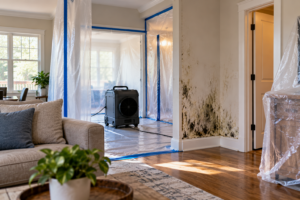
Whether you can stay in your home during mold remediation depends on the size of the affected area, the location of the work, and the
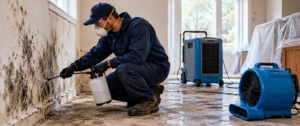
Mold remediation costs depend on the size of the affected area, the location of contamination, and the work required to remove damaged materials safely. Visible
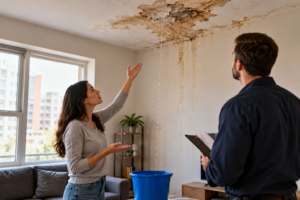
When water damage occurs in an apartment, tenants and landlords often have questions about repairs, damaged belongings, and who must pay for restoration. Responsibility depends
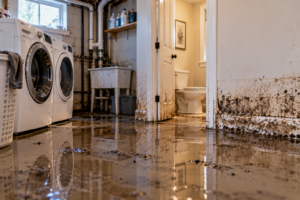
Homeowners insurance may cover sewage backup damage, but standard policies often exclude losses caused by water backing up through sewers or drains. Additional water backup


