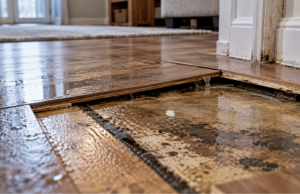
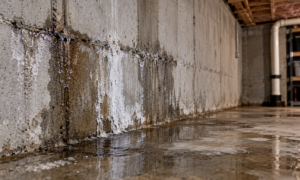
Water damage does not end when visible water disappears. Moisture can remain inside drywall, flooring, insulation, wood framing, cabinets, and other materials long after the surface looks dry. If these materials stay damp, they can create favorable conditions for mold growth. This is why the first 24–48 hours after a leak, flood, appliance failure, or plumbing emergency are especially important.
Fast drying cannot guarantee that mold will never appear, but it can significantly reduce the conditions that allow it to develop. Professional Water Damage Restoration focuses not only on removing standing water but also on finding and drying moisture that may be hidden from view.
How Quickly Can Mold Start Growing After Water Damage?
There is no exact hour when mold suddenly begins to grow in every property. The speed of development depends on several factors, including temperature, humidity, ventilation, the type of material affected, and how much moisture remains.
However, the first 24–48 hours are often considered a critical drying period. Porous materials can absorb water quickly, and the longer they stay wet, the higher the risk of microbial growth and secondary damage.
This is why drying should begin as soon as the affected area is safe to access. Property owners should not assume that a room is dry simply because puddles have been removed or a wall feels dry on the surface.
For a better understanding of drying times, see How Long Does Water Damage Take to Dry Out Completely?
Where Can Mold Develop After a Leak or Flood?
Mold can develop on many common building materials when moisture remains present. Drywall is particularly vulnerable because its paper surface absorbs water easily. Insulation, wood, carpet, subflooring, ceiling materials, and cabinetry can also retain moisture.
The greatest concern is often not what can be seen, but what remains hidden. Water may travel behind baseboards, underneath flooring, through wall cavities, or beneath cabinets without creating an obvious stain immediately.
A moisture problem can therefore continue even after the visible signs of water damage appear to be gone. This is one reason professional detection tools are useful after significant leaks.
More information about this problem is available in Hidden Moisture After a Leak: Why Professional Detection Matters.
What Increases the Risk of Mold Growth?
Several conditions make mold more likely after water damage. Delayed water removal is one of the biggest factors, but it is not the only one.
High indoor humidity, warm temperatures, limited airflow, soaked porous materials, and hidden moisture can all increase the risk. A small leak behind a wall may sometimes create more persistent moisture than a larger spill that is discovered and dried immediately.
The type of water event also matters. A burst clean-water supply line is very different from a sewage backup or external floodwater. Contaminated water may require additional cleaning and material removal beyond ordinary drying.
How Can Mold Be Prevented After Water Damage?
The most important step is controlling moisture quickly and thoroughly.
Professional restoration usually begins with removing standing water and identifying how far the moisture has traveled. This may involve extraction equipment, moisture meters, thermal imaging, air movers, and dehumidifiers.
You can learn more about the first stage in What Is Water Extraction?
Drying should continue until affected materials reach acceptable moisture levels rather than stopping simply because surfaces appear dry. This is why It Important to Start Structural Drying Process Immediately is directly connected to mold prevention.
Ventilation and humidity control can also help, but they may not be enough when water has penetrated wall cavities, flooring systems, or insulation.
When Is Mold Remediation Necessary?
Professional mold evaluation may be appropriate when visible mold appears, a musty odor persists, water remained inside materials for an extended period, or mold repeatedly returns after cleaning.
Surface cleaning alone may not solve the problem if moisture continues behind the wall or underneath the flooring. The underlying source must be identified and corrected.
For a deeper explanation, see Mold Removal vs. Mold Remediation: What’s the Difference?
Quality Restoration provides both Water Damage Restoration and Mold Damage Restoration, helping property owners move from emergency water removal to structural drying and, when necessary, professional mold remediation.
The earlier moisture is identified and controlled, the lower the chance that a short-term water problem turns into a longer and more expensive restoration issue.