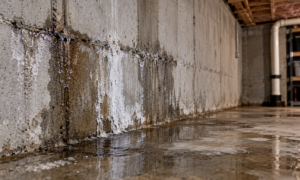
Water under flooring is easy to miss because the surface may look dry while moisture remains trapped underneath. Hidden water can affect flooring, subfloor materials, insulation, and nearby walls. The sooner the problem is identified, the better the chance of limiting damage and preventing mold, odors, warping, and long-term structural issues.
How Does Water Get Under Flooring?
Water can get beneath flooring from many different sources. Burst or leaking pipes are among the most common causes, especially when plumbing runs through walls, ceilings, or floor assemblies.
Appliance leaks can also spread water beneath nearby flooring. Dishwashers, refrigerators, washing machines, and water heaters may leak slowly for hours or days before the problem becomes obvious.
Flooding from storms, basement water intrusion, or plumbing failures can push moisture across large areas. Water can also travel from nearby rooms and collect under flooring even when the visible leak is located somewhere else.
Cold weather creates an additional risk. Frozen Pipes: How to Prevent Them and What to Do Before They Burst explains how a damaged pipe can release water into floors, walls, cabinets, and other hidden areas.
Signs of Water Damage Under Flooring
Hidden water damage often becomes noticeable through changes in the flooring rather than visible standing water.
Common warning signs include:
- warped or uneven boards;
- buckling or lifting flooring;
- soft or spongy areas underfoot;
- dark stains or discoloration;
- persistent damp or musty odors;
- loose tiles or floor planks;
- creaking, popping, or other unusual sounds;
- gaps or changes between flooring sections.
Wood and laminate flooring may swell or change shape after absorbing moisture. Vinyl can loosen from the surface below, while tile may remain visually intact even when water is trapped in the subfloor.
Any sudden change in the condition of the floor after a leak or flooding event should be investigated.
Why Hidden Moisture Under Floors Is a Problem
Moisture beneath flooring does not always dry on its own. When water becomes trapped between layers, it may remain there for an extended period.
The subfloor can absorb moisture and begin to swell, weaken, or deteriorate. Insulation beneath the floor may also become wet and lose effectiveness.
Water can spread beyond the original area and reach adjacent walls, baseboards, or other materials. This means the visible flooring damage may represent only part of the problem.
Persistent moisture can also create conditions where mold may develop. A musty smell is often one of the first warning signs of hidden dampness. Why Does My Basement Smell Musty? Hidden Moisture, Mold and What to Do explains why odors can remain even when water is not immediately visible.
Can Water-Damaged Flooring Be Saved?
Whether flooring can be restored depends on several factors.
The type of flooring matters. Solid hardwood may sometimes be dried and restored if water exposure was limited, while laminate or particle-based products can swell quickly and may not return to their original shape.
The source of the water is also important. Clean water from a plumbing supply line is different from contaminated floodwater or sewage, which may require removal of affected materials.
Exposure time plays a major role as well. Flooring that is dried quickly has a better chance of being saved than material that has remained wet for days.
The condition of the subfloor must also be considered. Even if the surface flooring appears recoverable, a damaged or saturated subfloor may require additional repair.
How Professionals Find Moisture Under Flooring
Because hidden moisture is not always visible, professional inspection may involve tools that detect water beneath the surface.
Moisture meters can help identify unusually damp areas and compare moisture levels across different parts of the floor. Inspection may also include checking baseboards, walls, transitions between rooms, and areas near the original leak.
In some cases, small sections of flooring may need to be lifted or removed to inspect the subfloor directly. Targeted removal helps determine how far the water has spread without unnecessarily disturbing unaffected materials.
The goal is to identify both the visible damage and the moisture that remains hidden below the surface.
What to Do After Discovering Water Under a Floor
Start by stopping the source of the water if it is still active. A plumbing leak, appliance problem, or other source should be repaired before drying begins.
Remove standing water and move furniture or belongings away from the affected area. Flooring, baseboards, and nearby walls should be checked for signs of moisture.
Drying should begin as soon as possible, but surface drying alone may not be enough. Moisture trapped beneath flooring may require additional access, airflow, or material removal.
Check nearby cabinets and built-in furniture as well, especially after kitchen or appliance leaks. Water Damage to Kitchen Cabinets: Can They Be Dried or Do They Need Replacement? explains what to look for when moisture affects cabinet materials.
If flooring continues to warp, feels soft, develops an odor, or remains damp after drying efforts, a professional moisture inspection may be needed to determine how far the water has spread.