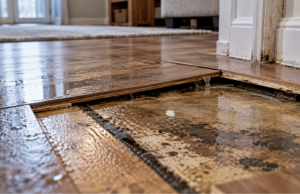
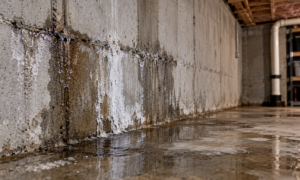
Water damage can spread through a home quickly, especially after a burst pipe, appliance overflow, roof leak, sump pump failure, or flooded basement. The first few actions matter because water can move under flooring, behind walls, into insulation, and around electrical systems before the damage looks severe. A clear emergency checklist helps homeowners stay safe, reduce property damage, and start the cleanup process correctly.
Make Safety the First Priority
Before touching wet materials or moving items, check for immediate hazards. Standing water near outlets, appliances, electrical panels, ceiling fixtures, or exposed wiring can be dangerous. Do not enter the area if the floor is unstable, the ceiling is sagging, or water is dripping through lights. If power can be turned off safely from a dry location, shut it off before entering affected rooms.
Water type also matters. Clean water from a supply line is different from water from a sewer backup, storm flood, toilet overflow, or contaminated source. When the water may contain bacteria, chemicals, or sewage, avoid direct contact and wait for professional cleanup.
Stop the Water Source
The next step is to stop more water from entering the home. Turn off the main water supply if the damage comes from a pipe, plumbing fixture, or appliance line. For roof leaks, place a container under active dripping and move belongings away from the area. For sump pump failure or basement flooding, avoid using electrical equipment in standing water.
Once the source is controlled, the cleanup can begin. Do not rely on surface drying alone. Water often travels farther than expected, especially through baseboards, floor seams, drywall, cabinets, and ceiling cavities.
Document the Damage
Take photos and videos before removing damaged items. Capture the water source, wet flooring, stained walls, ceiling damage, affected furniture, damaged belongings, and any visible mold or structural changes. Good documentation can help with insurance communication and gives restoration professionals a better understanding of how the damage started.
Keep damaged materials in place when possible until they are documented. Move items only when needed to prevent further damage or improve safety.
Remove What You Can Safely Move
After documentation, move dry or lightly affected belongings away from the wet area. Lift rugs, curtains, boxes, electronics, and furniture from the floor. Place foil, wood blocks, or plastic barriers under furniture legs when items cannot be moved immediately. Do not stack wet belongings together, as this can trap moisture and increase the risk of odor and mold.
The homeowner’s emergency checklist should include these first actions:
- shut off the water source if possible;
- avoid electrical hazards and unstable areas;
- document damage with photos and videos;
- move valuables and dry items away from water;
- remove small amounts of standing water when safe;
- avoid covering wet floors with plastic or rugs;
- call restoration professionals for inspection and drying.
These steps help reduce damage, but they do not replace professional moisture detection or structural drying.
Start Water Removal, but Avoid Common Mistakes
Small amounts of clean water can be removed with towels, mops, or a wet/dry vacuum. However, household cleanup is usually not enough after serious water damage. Moisture can remain under hardwood floors, behind drywall, inside insulation, and beneath cabinets.
Avoid using strong heat to dry floors or walls. Drying materials too quickly or unevenly can cause warping, cracking, and hidden moisture problems. Do not paint over stains, reinstall flooring, or close walls until moisture levels are checked. A surface that looks dry may still hold water inside.
Watch for Hidden Moisture and Mold Risks
After emergency cleanup, monitor the affected area for musty odor, soft drywall, swollen baseboards, peeling paint, ceiling stains, warped flooring, or increased humidity. These signs may mean moisture is still trapped in the structure. Hidden moisture is one of the main reasons water damage turns into mold, odors, and long-term deterioration.
Professional restoration teams use moisture meters, thermal imaging, dehumidifiers, air movers, and drying plans to locate and remove water from areas that cannot be judged by appearance alone.
When to Call Quality Restoration
Homeowners should call for professional help when water affects walls, ceilings, hardwood floors, basements, cabinets, insulation, or multiple rooms. Professional cleanup is also needed when water has been present for several hours, when the source is contaminated, or when there are signs of mold or structural damage.
Quality Restoration helps homeowners and businesses respond to water damage with emergency water removal, moisture detection, structural drying, cleanup, and restoration services. Fast action can limit damage, protect indoor air quality, and reduce the risk of costly repairs.
An emergency water cleanup checklist is useful because it gives homeowners control during a stressful situation. The safest approach is to stop the water, protect people and belongings, document the damage, and bring in professionals before hidden moisture creates a larger problem.