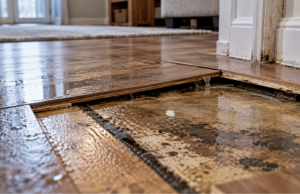
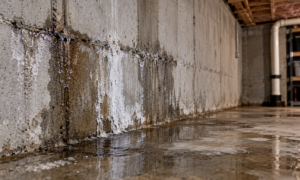
The phrases mold removal and mold remediation are often used as though they mean exactly the same thing. In everyday conversation, both may refer to getting rid of mold. In professional restoration, however, remediation is a broader process that focuses not only on visible growth but also on affected materials, moisture conditions, containment, and preventing the problem from returning.
Understanding the difference can help property owners avoid temporary cosmetic fixes that leave the underlying cause unresolved.
What Does Mold Removal Mean?
Mold removal usually refers to physically cleaning visible mold from a surface or removing contaminated materials from the property.
For a small isolated area, cleaning may be sufficient when the moisture source has already been corrected and the material can be safely treated.
The problem is that visible growth is not always the entire issue. Mold may exist inside porous materials, behind drywall, underneath flooring, or in other concealed areas.
Simply cleaning the surface does not solve a moisture problem hidden behind it.
What Is Mold Remediation?
Mold remediation is a more comprehensive process designed to address both the contamination and the conditions that allowed it to develop.
Depending on the situation, remediation may involve inspection, moisture detection, containment, removal of damaged materials, cleaning of salvageable surfaces, filtration, and correction of the moisture source.
The goal is not to claim that every mold spore has been eliminated from the building. The goal is to remove problematic growth and restore conditions that no longer support continued mold development.
Quality Restoration provides professional Mold Damage Restoration for residential and commercial properties where mold has developed after leaks, flooding, humidity problems, or other moisture events.
Why Moisture Control Matters More Than Surface Cleaning
Mold problems are closely tied to moisture. If a leak is repaired but the wall remains wet, mold can still develop. If visible mold is cleaned but the source of moisture remains active, the growth may return.
This is why mold remediation often overlaps with water restoration.
A property may look dry while still holding moisture inside wall cavities or flooring systems. The issue is especially common after delayed cleanup.
For more information, see How Fast Does Mold Grow After Water Damage? What Happens in the First 24–48 Hours.
Property owners should also understand that a problem can reappear when drying is incomplete. This is discussed further in Can Water Damage Come Back After Cleanup?
When Is Professional Mold Remediation Recommended?
Professional remediation may be appropriate when:
- mold covers a large area;
- growth keeps returning after cleaning;
- there is a persistent musty odor;
- mold is suspected behind walls or flooring;
- water damage affected multiple materials;
- the moisture source was not discovered immediately;
- contaminated water was involved.
Commercial properties can face additional challenges because mold may affect employees, tenants, inventory, or business operations.
Business owners can learn more in Protect Your Business From the Hazards of Mold.
How to Reduce the Risk of Mold Returning
The most effective prevention strategy is keeping the property dry.
Repair plumbing and roof leaks promptly, maintain good ventilation, monitor indoor humidity, and respond quickly when water enters the building.
After significant water damage, professional Water Damage Restoration can help identify moisture that may not be visible and confirm whether structural materials have been dried properly.
Mold removal focuses on eliminating visible growth or contaminated material. Mold remediation looks at the entire problem: where the mold developed, why it developed, what materials are affected, and what must change to keep it from returning.
That broader approach makes remediation especially important after major leaks, floods, or repeated moisture problems.