Can Water Damage Come Back After Cleanup?

Water damage may seem resolved once standing water is removed and surfaces look dry. However, in some cases, problems can return after cleanup if moisture was not fully removed or the original source of water was not corrected. Stains, odors, mold growth, warped materials, or soft drywall may appear days or weeks later, even when the affected area looked normal at first.

Why Water Damage Can Reappear

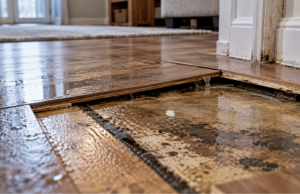
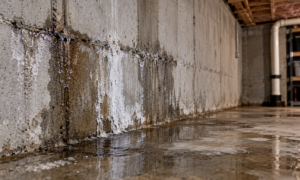
Water can move into places that are difficult to see during basic cleanup. It may collect under flooring, behind baseboards, inside wall cavities, around cabinets, or beneath carpets. If these hidden areas remain damp, moisture damage can continue after visible water is gone. Another reason water damage may come back is an unresolved leak. A damaged pipe, roof leak, faulty appliance, window gap, or poor drainage issue can keep allowing water into the property. In this situation, cleanup only addresses the symptoms, not the cause. Humidity can also slow the drying process. If indoor air remains damp, building materials may not release moisture properly. This can create conditions for mold, mildew, and musty odors.

Common Signs That Water Damage Has Returned

One of the first warning signs is a musty smell. Odors often develop when moisture remains trapped in dark or poorly ventilated areas. Stains on ceilings, walls, or baseboards may also return if water continues to move through the structure. Other signs include peeling paint, bubbling wallpaper, soft drywall, swollen wood, buckled flooring, or visible mold. Carpet may feel damp again, and cabinets or trim may begin to warp. These changes usually mean moisture is still present or has entered the area again.

The Risk of Incomplete Cleanup

Basic cleanup may remove water from the surface, but it does not always solve deeper moisture problems. Towels, mops, and household fans can help with small spills, but they may not dry materials such as subflooring, drywall, insulation, or wood framing. If moisture remains inside these materials, the damage can continue to spread. Mold may grow, structural materials may weaken, and repair costs may increase over time. This is why moisture monitoring is an important part of the restoration process.

How to Reduce the Chance of Recurring Damage

The first step is identifying and fixing the water source. Without this, the same problem may happen again. After that, affected areas should be dried thoroughly, including hidden spaces where moisture may be trapped. Proper airflow, dehumidification, and moisture detection can help confirm that the area is dry below the surface. In more serious cases, some materials may need to be removed if they cannot be safely dried or cleaned. Water damage can come back after cleanup if hidden moisture remains or the original water source is not fixed. A dry-looking surface does not always mean the structure is completely dry. Careful inspection, proper drying, and moisture monitoring help reduce the risk of recurring stains, odors, mold, and long-term property damage.  
Quality Restoration Expert

Quality Restoration is Here for You

Quality Restoration offers 24/7 emergency services, restoring properties after water, fire, mold, sewage, or storm damage.

Recent Post

In times of crisis, being well-informed can be a game-changer. Explore the insights of our experts on disaster preparedness, accelerating recovery, and every aspect in between. Our unwavering support is at your service.

Share on:
ChatGPT Perplexity AI Overviews Grok