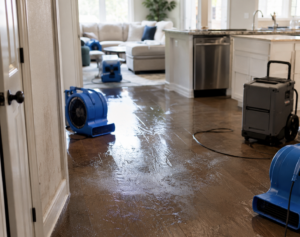
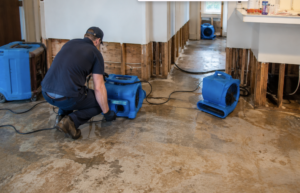
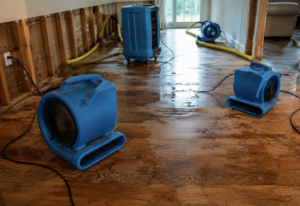
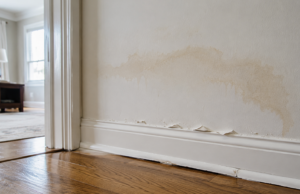
Mold isn’t just unsightly — it’s a direct danger to indoor air quality and can cause serious respiratory issues. The most common reasons include pipe leaks, water intrusion, or excessive humidity. Within just 24–48 hours, damp conditions can trigger active mold growth.
Moisture that seeps into drywall, insulation, and other porous materials often creates hidden contamination. Treating only the visible surface mold will not eliminate the root of the problem.
Assessing and Detecting Mold
If you suspect mold inside your building, a full assessment is the first step. Without proper tools, detecting concealed growth is difficult, which is why professional assistance is crucial.
Signs of Mold: It may appear black, green, brown, white, yellow, orange, pink, or even red, with textures ranging from slimy to fuzzy. Sometimes it is invisible, yet still present, especially if a strong musty odor lingers in damp areas like drywall, carpet, insulation, or upholstery.
Detection Tools: Specialists use moisture meters and thermal imaging to locate hidden damp spots in walls and insulation. Common causes include flooding, leaking roofs, broken pipes, condensation, or high humidity — all of which should be resolved quickly.
Mold Do’s and Don’ts
DO:
- Notify your insurance company immediately.
- Consult an industrial hygienist for testing.
- Wear protective gloves and goggles if handling affected items.
- Identify and address the source of moisture.
DON’T:
- Disturb colonies — this spreads spores.
- Continue renovation until the area is cleared.
- Use bleach as a solution — toxins remain even if mold dies.
- Paint over mold patches — this only hides the issue.
- Place fans in contaminated spaces.
- Ignore mold problems — they can escalate into health hazards.
Preventing Mold Growth
Speed matters. Begin drying within 24 hours after any water damage to reduce the risk of mold.
- Dehumidification: Use dehumidifiers or humidity monitors to control indoor moisture.
- Drying: Proper methods ensure spores don’t spread to clean areas.
- Cleaning: Inspect walls, ceilings, HVAC systems, and high-moisture zones regularly. Salvaging water-damaged materials quickly also reduces risk.
Professional Support When You Need It
If your property faces mold challenges, it’s essential to act fast and rely on experts with the right training and equipment. Our company provides professional mold remediation and disaster restoration services, helping businesses stay safe and fully operational.