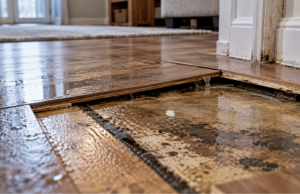
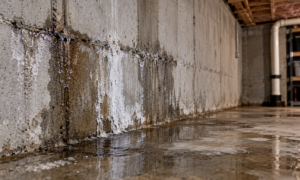
Water damage can come from many different sources, but insurance companies do not necessarily treat every type of water loss the same way. A burst pipe, appliance leak, roof damage, groundwater intrusion, and flooding may all leave similar damage inside a home, yet coverage can depend heavily on the cause of the event.
Homeowners should therefore avoid assuming that all water damage is automatically covered. The wording of the policy, the source of the water, how suddenly the event occurred, and whether maintenance issues were involved can all affect the claim.
What Types of Water Damage Are Commonly Covered?
Many homeowners policies may cover certain sudden and accidental water events. Examples can include a pipe that unexpectedly bursts, a washing machine supply line that fails, a water heater leak, or accidental discharge from part of a plumbing system.
The key factor is often whether the event was sudden rather than the result of long-term deterioration.
A burst pipe is a good example. If plumbing suddenly fails and damages flooring, drywall, furniture, or other parts of the home, some of the resulting damage may be covered depending on the policy.
For practical emergency steps, see What to Do When a Pipe Bursts in Your Home.
Appliance failures can create similar losses. Property owners dealing with this type of event can also review What to Do After a Washing Machine Overflow.
What Water Damage May Not Be Covered?
Gradual leaks are often treated differently from sudden accidental losses. If water has been leaking for weeks or months because of poor maintenance, deterioration, or an unresolved plumbing problem, coverage may be limited or excluded.
External flooding is another important distinction. Water entering a property because rivers rise, surface water accumulates, or widespread flooding occurs is generally handled differently from an interior plumbing leak.
This difference is explained in more detail in Water Damage vs. Flood Damage.
Sewer backups may also require specific endorsements or additional coverage depending on the policy.
Because insurance contracts vary, homeowners should always confirm the details with their own insurer rather than relying on general assumptions.
Why the Cause of Water Damage Matters
The visible damage may look similar regardless of where the water came from, but the cause determines both the restoration approach and how the insurance claim may be handled.
A roof leak caused by storm damage may involve water entering from above, wet insulation, ceiling damage, and hidden moisture inside walls.
See Roof Leak Water Damage: Signs You Should Not Ignore for common warning signs.
An appliance or plumbing failure may create a more localized problem but still cause extensive damage if water travels beneath flooring or behind cabinets. The same principle applies to water heaters. Additional guidance is available in Water Heater Leak: First Steps to Prevent Serious Property Damage.
What Should You Do Before Filing a Claim?
When it is safe to do so, take a few practical steps:
- Stop the source of water if possible.
- Photograph affected rooms and belongings.
- Avoid discarding damaged materials before documenting them.
- Contact your insurance provider.
- Begin emergency water mitigation.
Waiting for every insurance question to be resolved before beginning mitigation can allow moisture to spread further into the building.
Professional Water Damage Restoration can help extract water, locate hidden moisture, and begin drying while the insurance process is underway.
Why Restoration Should Not Be Delayed
Water continues to affect materials after standing water is removed. Drywall, wood, insulation, carpet, and subfloors may retain moisture for days if they are not dried correctly.
This creates the risk of warping, deterioration, odors, and mold.
For more information about that progression, see How Fast Does Mold Grow After Water Damage? What Happens in the First 24–48 Hours.
Insurance determines what may be reimbursed, but restoration decisions affect how far the physical damage spreads. Acting quickly can help reduce secondary problems and provide clearer documentation of the original loss.
Quality Restoration provides professional Water Damage Restoration for residential and commercial properties affected by plumbing failures, appliance leaks, storms, and other water-related emergencies.