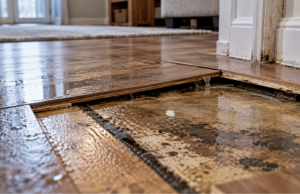
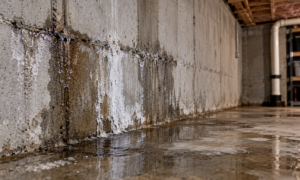
A burst pipe is one of the fastest ways for water damage to spread through a home. In a few minutes, water can move under flooring, soak drywall, reach electrical areas, damage cabinets, and enter hidden spaces behind walls. The right first actions can reduce repair costs, prevent mold, and protect the structure of the property. The main priority is to stop the water, stay safe, document the damage, and begin professional drying before moisture becomes a larger problem.
Shut Off the Main Water Supply
The first step is to stop the water at its source. Find the main water shutoff valve and turn it off immediately. In many homes, it is located in the basement, utility room, crawl space, garage, or near the water meter. After the main valve is closed, open several faucets to release pressure and drain remaining water from the plumbing system.
If the leak is near electrical outlets, appliances, light fixtures, or the breaker panel, do not walk into standing water. Turn off electricity only if you can reach the panel safely. Water and electricity create a serious safety risk, so the damaged area should be avoided until it is safe to enter.
Protect People, Belongings, and Key Areas
Once the water is stopped, focus on limiting the spread of damage. Move furniture, rugs, electronics, documents, and valuables away from wet areas. Place buckets under active dripping, use towels to block water from spreading, and lift curtains or fabric items off the floor. Do not pull up flooring, remove drywall, or disturb soaked building materials without understanding the extent of the damage.
Before moving damaged items, take clear photos and videos. Capture the burst pipe, standing water, wet floors, damaged walls, ceiling stains, soaked belongings, and any visible structural changes. This documentation may help with insurance communication and gives restoration professionals a clearer picture of how the damage started.
Remove Visible Water, but Do Not Assume the Area Is Dry
Small amounts of standing water can be removed with towels, mops, or a wet/dry vacuum. This helps reduce surface moisture, but it does not solve the full problem. Water from a burst pipe often travels beneath finished flooring, behind baseboards, inside wall cavities, under cabinets, and into insulation. A room may look dry while hidden materials are still holding moisture.
This is where many homeowners make a costly mistake. Surface cleanup may improve the appearance of the room, but trapped moisture can continue damaging wood, drywall, subflooring, trim, and framing. It can also create the right conditions for mold growth if the structure is not dried correctly.
Watch for Signs of Hidden Water Damage
After a pipe burst, hidden damage can appear hours or days later. Warning signs include bubbling paint, soft drywall, swollen baseboards, warped flooring, musty odor, ceiling stains, peeling finishes, damp cabinets, or unusually high indoor humidity. These signs often mean water has moved beyond the visible area.
Professional moisture detection is important because water follows the path of least resistance. It can travel into adjoining rooms, lower floors, wall cavities, and ceiling spaces. Moisture meters, thermal imaging, air movers, and dehumidifiers help identify affected materials and dry them before secondary damage develops.
Call the Right Professionals
A plumber can repair the broken pipe, but repairing the pipe does not restore the property. Water damage restoration requires extraction, moisture mapping, structural drying, cleaning, and monitoring. Without that process, wet materials may remain inside the building even after the leak is fixed.
A proper response usually includes water removal, inspection of nearby rooms, moisture readings, drying equipment setup, removal of unsalvageable materials, cleaning, and final verification that the structure is dry. For severe water damage, fast professional action is the difference between a controlled restoration and a much larger repair project.
Quality Restoration helps homeowners and businesses respond to burst pipes, water damage, flooding, and moisture-related problems with emergency restoration services. When water spreads through a property, quick action helps protect flooring, walls, structural materials, and indoor air quality.
Prevent Another Burst Pipe
After the emergency is under control, find out why the pipe failed. Common causes include freezing temperatures, aging plumbing, high water pressure, corrosion, poor insulation, and pipes located in cold or unheated areas. Homes in New England are especially vulnerable during winter because pipes in basements, crawl spaces, garages, and exterior walls can freeze and crack.
To reduce the risk, insulate exposed pipes, seal cold air leaks, keep indoor temperatures stable, open cabinet doors near plumbing during extreme cold, and allow a slow drip from faucets when temperatures drop sharply. Older plumbing should be inspected before winter or after repeated leaks.
Fast Action Protects the Home
A burst pipe is not only a plumbing issue. It is a water damage emergency that can affect walls, floors, ceilings, insulation, electrical systems, and indoor air quality. The safest plan is to shut off the water, avoid unsafe areas, document the damage, remove valuables, and start professional drying as quickly as possible.
The faster the response, the better the chance of saving materials and preventing mold, odors, structural deterioration, and expensive repairs. Acting quickly gives the home the best chance to recover with less damage and fewer long-term problems.