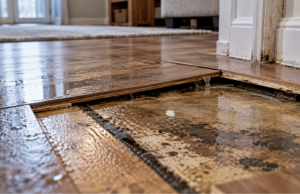
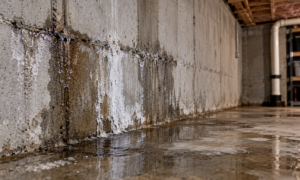
A washing machine overflow can turn a normal laundry day into a water damage emergency within minutes. Water may spread beneath the appliance, soak baseboards, move under flooring, and reach nearby walls before the puddle looks serious. Acting quickly can limit damage, but safety must come first.
1. Stop the Washer and Shut Off the Water
If you can reach the controls without stepping into water near outlets or cords, turn off the machine. Close the hot and cold supply valves behind it. If a hose has burst or a valve will not close, shut off the home’s main water supply.
Do not pull the washer away from the wall while the area may be electrically unsafe.
2. Avoid Electrical Hazards
If water has reached an outlet, power cord, electrical panel, or another powered appliance, stay out of the wet area. Turn off electricity at the breaker only when the panel and the path to it are dry. Otherwise, contact an electrician or restoration professional.
Never unplug a washing machine while standing in water.
3. Find the Cause
Common causes include:
- a loose, cracked, or burst supply hose;
- a clogged or displaced drain hose;
- too much detergent or an overloaded drum;
- a failed pump, inlet valve, sensor, or door seal;
- a blocked laundry drain or standpipe.
A technician can repair the source, but that does not remove water already trapped in floors, walls, cabinets, or insulation.
4. Document the Damage
Before moving damaged materials, take photos and videos of the washer, hoses, valves, standing water, flooring, walls, and affected belongings. Save receipts for emergency services and repairs.
Avoid discarding damaged items until they have been photographed and you understand your insurer’s requirements.
5. Remove Standing Water Safely
For a small clean-water spill, use towels, a mop, or a wet/dry vacuum rated for water. Move rugs, boxes, and other absorbent items to a dry area.
Do not use a standard household vacuum. Avoid fans if the water may contain sewage, drain backup, or heavily soiled wastewater.
6. Dry Beyond the Surface
A floor may look dry while moisture remains beneath vinyl, laminate, hardwood, tile, or carpet padding. Water can also travel behind baseboards and into drywall. Use a dehumidifier and safe ventilation, but do not assume surface drying has removed moisture from the structure.
The EPA recommends drying water-damaged materials within 24 to 48 hours to reduce the risk of mold growth.
7. Know When to Call a Restoration Company
Professional water damage restoration is recommended when:
- water has spread beyond the laundry room;
- flooring, drywall, cabinets, or insulation are wet;
- water has reached a lower floor or ceiling;
- the overflow continued for an unknown time;
- you notice staining, warping, swelling, or a musty odor;
- the water may be contaminated;
- concealed areas may still be wet.
Restoration teams use extraction equipment, moisture meters, air movers, and dehumidifiers to locate and remove hidden moisture.
What Not to Do
Do not restart the washer until the cause has been repaired. Do not cover wet flooring, paint over stains, or reinstall trim before moisture levels are checked. Avoid aggressive heat, which may damage materials or dry them unevenly.
How to Prevent Another Overflow
Inspect supply hoses and replace any that are cracked, swollen, corroded, or leaking. Secure the drain hose, follow detergent instructions, avoid overloading the drum, and do not run the washer while no one is home. A drain pan and automatic leak-detection shutoff can provide added protection.
Get Help Before Hidden Moisture Spreads
A washing machine overflow is more than a surface cleanup problem. It can affect flooring, wall cavities, electrical components, and indoor air quality. Quality Restoration provides 24/7 water damage response, moisture detection, structural drying, cleanup, and repair across Massachusetts, Vermont, New Hampshire, Connecticut, and Upstate New York.
Stop the water, avoid electrical hazards, document the damage, remove standing water only when safe, and arrange professional drying when moisture may have spread beyond the visible area.