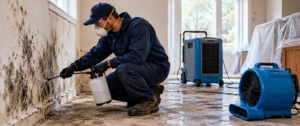
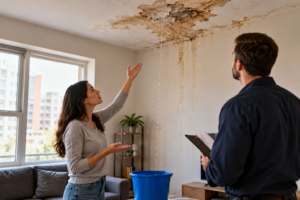
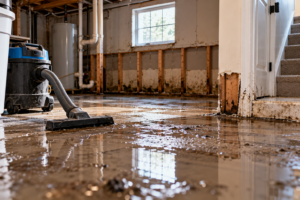
Homeowners insurance may cover sewage backup damage, but standard policies often exclude losses caused by water backing up through sewers or drains. Additional water backup coverage may be available through an endorsement.
Whether a claim is covered depends on the policy wording, cause of the incident, coverage limits, and applicable exclusions.
When Does Insurance Cover Sewage Backup Damage?
Some homeowners insurance policies include optional coverage for water backing up through sewer or drain systems.
This endorsement may help pay for covered damage to flooring, walls, and other affected parts of the property.
However, coverage is not unlimited.
Important details include:
- Whether a water backup endorsement is included.
- The maximum amount available for covered losses.
- The deductible that applies.
- Which building materials and belongings qualify for reimbursement.
- Any specific exclusions or conditions.
Review your insurance declarations and policy documents to confirm the available protection.
What Sewage Backup Situations May Not Be Covered?
Certain circumstances may fall outside sewage backup coverage.
For example, policies may exclude specific maintenance-related problems or damage caused by flooding.
A sewer backup and external flooding are not necessarily treated as the same event for insurance purposes.
Water entering through an overwhelmed public sewer system, a blocked drain, or rising surface floodwater may involve different coverage provisions.
The cause of the loss should be established before assuming that a particular insurance benefit applies.
If the damage results from a separate covered plumbing incident, different policy provisions may also be relevant.
How to File a Sewage Backup Insurance Claim
Start by reporting the incident to your insurance provider as soon as reasonably possible.
When safe, document visible damage without entering contaminated areas or touching sewage-covered materials.
Useful claim records may include:
- Photographs of affected rooms and belongings.
- The date and circumstances of the backup.
- Available plumbing inspection findings.
- Emergency service invoices.
- Professional cleanup and restoration estimates.
Ask the insurer about documentation requirements and authorized mitigation procedures.
Do not delay necessary safety measures or urgent cleanup simply to preserve evidence. Keep records of materials removed and work performed.
What If Sewage Backup Damage Is Not Covered?
If the loss is excluded or exceeds the available coverage, the homeowner may be responsible for cleanup and repair expenses.
Understanding the factors affecting sewage cleanup costs can help property owners evaluate restoration estimates and identify necessary services.
Because contaminated water can damage porous building materials, incomplete cleanup may create additional problems.
Professional assessment helps distinguish materials that can be cleaned from those requiring removal.
Address Sewage Damage Without Delay
Insurance questions are important, but preventing further contamination should remain a priority.
Quality Restoration provides water damage restoration and decontamination services. Contact the team for assistance evaluating sewage-related damage and planning appropriate restoration work.