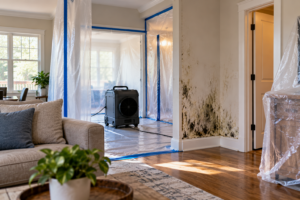
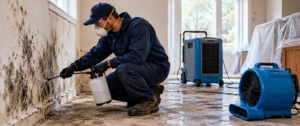
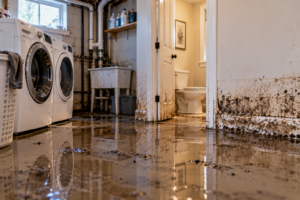
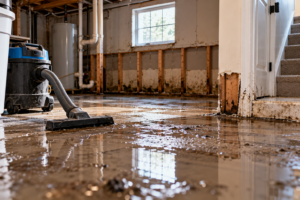
When water damage occurs in an apartment, tenants and landlords often have questions about repairs, damaged belongings, and who must pay for restoration.
Responsibility depends on the cause of the damage, the rental agreement, insurance coverage, and applicable state law. Understanding these differences helps both parties respond more effectively.
Who Is Responsible for Water Damage in an Apartment?
The source of the water damage is a major factor in determining responsibility.
If a building’s plumbing system fails or a maintained structural component allows water intrusion, the landlord may be responsible for arranging necessary building repairs.
However, when damage results from a tenant’s actions or negligence, the tenant may face liability depending on the circumstances and applicable law.
Common situations include:
- Leaking pipes or defective plumbing.
- Overflowing bathtubs or sinks.
- Roof leaks and water entering through exterior walls.
- Appliance leaks.
- Flooding caused by neighboring apartments.
Responsibility should not be determined solely by where the water first appears. An investigation may be needed to establish the source.
What Should Tenants Do After Discovering Water Damage?
Tenants should notify the landlord or property manager promptly after discovering a leak or flooding.
A written notification creates a record of when the problem was reported.
If safe, tenants can take reasonable steps to protect belongings and avoid additional exposure to water.
Other important actions include:
- Photographing visible damage.
- Recording the date and location of the incident.
- Keeping copies of communications with property management.
- Reporting damaged personal belongings to the renters insurance provider, if applicable.
Avoid entering flooded areas with potential electrical hazards or contaminated water.
Tenants should not assume that damaged walls or floors are safe simply because the visible water has disappeared.
What Are the Landlord’s Responsibilities After Water Damage?
Landlords generally have obligations concerning building maintenance and habitable living conditions, although the exact requirements vary by state.
Depending on the circumstances, necessary actions may include investigating the water source, arranging plumbing repairs, addressing moisture, and restoring damaged building components.
Water that remains trapped in drywall, insulation, or flooring can lead to additional deterioration.
Professional moisture assessment may be appropriate when the extent of damage is unclear.
For apartments in Massachusetts, Vermont, New Hampshire, and Connecticut, specific legal obligations and repair procedures depend on the applicable state rules and the rental situation.
Who Pays for Water Damage Restoration and Damaged Belongings?
Payment responsibility can differ between damage to the building and damage to personal property.
A landlord’s property insurance may cover certain building losses, while renters insurance may cover eligible tenant belongings under its own terms.
Liability disputes can arise when the cause of damage is uncertain or multiple apartments are affected.
Understanding water damage restoration costs can help landlords and tenants evaluate repair estimates and distinguish emergency mitigation from reconstruction work.
Neither party should assume that every expense will automatically be covered by insurance.
Resolve Apartment Water Damage Promptly
Clear communication, documentation, and timely restoration help prevent water damage from becoming a larger problem.
Quality Restoration provides professional water damage restoration services for residential buildings and rental properties. Contact the team to discuss the damage and determine the appropriate restoration approach.