Mold remediation costs depend on the size of the affected area, the location of contamination, and the work required to remove damaged materials safely. Visible mold is only part of the picture: moisture can also support growth behind walls, beneath flooring, and inside other building cavities.
A professional assessment helps determine the actual scope of remediation rather than relying on surface appearance alone.
What Determines Mold Remediation Cost?
Several factors influence the price of professional mold remediation.
Affected area: Larger contaminated areas typically require more labor, equipment, and protective measures.
Location: Mold in an accessible bathroom corner may be easier to address than contamination inside a wall cavity or crawl space.
Building materials: Porous materials such as drywall and insulation may need removal when extensively contaminated.
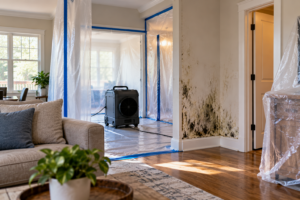
Containment requirements: Barriers and air filtration equipment may be necessary to reduce the spread of mold-contaminated dust during work.
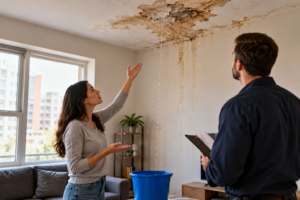
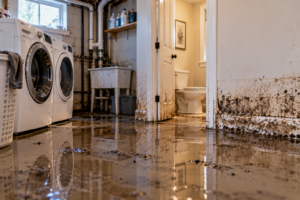
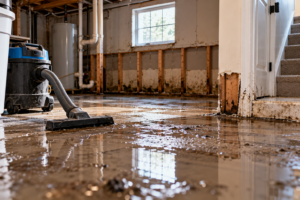
Moisture source: Plumbing leaks, roof damage, and condensation problems must be addressed to help prevent recurring growth.
The scope of work should reflect the actual conditions rather than a fixed price based only on visible square footage.
Why Hidden Mold Can Increase Remediation Costs
Mold sometimes develops where homeowners cannot see it. Persistent leaks may leave insulation or the back of drywall damp even after the exposed surface appears dry.
Finding hidden mold behind drywall can mean that additional investigation, containment, or removal of affected building materials is necessary.
Musty odors, recurring stains, and a history of moisture problems may justify further investigation, but these signs do not confirm mold on their own.
What Does Professional Mold Remediation Include?
The remediation process generally begins with evaluating moisture conditions and identifying affected materials.
Depending on the findings, professional work may involve:
- Establishing containment around the work area.
- Using appropriate air filtration and protective equipment.
- Removing materials that cannot be adequately cleaned.
- Cleaning remaining affected surfaces.
- Correcting moisture problems and verifying drying conditions.
Simply painting over mold or applying a household cleaner does not resolve contamination inside damaged porous materials.
When Is Professional Mold Remediation Necessary?
Professional evaluation is particularly important when mold repeatedly returns, contamination covers a substantial area, or growth may be hidden within building assemblies.
Extra precautions may also be appropriate when occupants have respiratory sensitivities or when remediation could disturb a significant amount of contaminated material.
The goal is not only to remove existing mold but also to correct the conditions that allowed it to develop.
Address Mold Before the Damage Spreads
Delaying necessary repairs can allow moisture problems to affect additional materials.
Quality Restoration offers mold damage restoration services, including assessment and remediation of affected areas. A professional evaluation can help determine the required work and provide a clearer understanding of potential costs.