Water damage restoration costs vary depending on the extent of the damage, the type of water involved, and the work required to restore the property. A small plumbing leak may require limited drying, while a flooded basement can involve water extraction, damaged material removal, and structural repairs.
Understanding these factors helps homeowners evaluate restoration estimates and avoid unexpected expenses.
What Affects Water Damage Restoration Cost?
Several factors determine the final restoration price:
- Size of the affected area. Larger spaces generally require more equipment, labor, and drying time.
- Type of water. Clean water from a supply line typically requires different treatment than contaminated water from a sewer backup.
- Duration of exposure. Water left inside walls, flooring, or insulation can cause additional deterioration.
- Damaged materials. Some surfaces can be dried and restored, while others may require replacement.
- Accessibility. Water trapped beneath floors or inside wall cavities can increase the complexity of restoration.
Two properties with similar visible damage may require very different restoration procedures.
What Is Included in Water Damage Restoration?
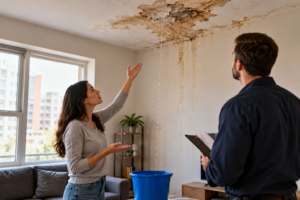
Professional restoration typically begins with inspecting the property and identifying affected materials. Technicians may use moisture meters and other equipment to locate water that is not visible.
Depending on the damage, the process may include:
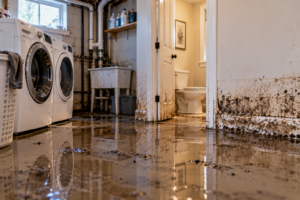
- Water extraction and removal of standing water.
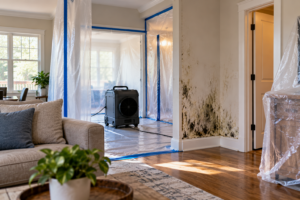
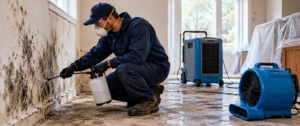
- Structural drying using commercial air movers and dehumidifiers.
- Moisture monitoring throughout the drying process.
- Cleaning and treatment of affected surfaces.
- Removal or replacement of materials that cannot be restored.
Water mitigation focuses on limiting further damage, while reconstruction involves repairing or replacing damaged building components. These services may be priced separately.
Who Pays for Water Damage Restoration?
Homeowners insurance may cover certain sudden and accidental water damage, depending on the policy and cause of the loss. Gradual leaks, maintenance-related damage, and flooding may be excluded or require separate coverage.
In rental properties, payment responsibility can be more complicated. Understanding water damage responsibilities in rental properties can help tenants and landlords determine what steps to take after an incident.
Always review the insurance policy and document the damage before making assumptions about reimbursement.
How to Prevent Additional Restoration Expenses
Quick action can reduce the extent of secondary damage.
If it is safe to do so, stop the water source, protect unaffected belongings, and photograph visible damage. Avoid entering areas with electrical hazards or contaminated water.
Do not assume that a surface is dry simply because it looks dry. Moisture can remain beneath flooring or inside building materials.
Professional moisture assessment helps identify areas that require attention before problems become more extensive.
Get a Professional Water Damage Assessment
The most reliable way to understand restoration costs is through an inspection of the affected property.
Quality Restoration provides professional water damage restoration services for residential and commercial properties throughout Western Massachusetts and surrounding service areas. Contact the team to discuss the damage and determine the appropriate next steps.