Fire damage restoration costs depend on more than the size of the burned area. Smoke, soot, firefighting water, and structural damage can affect rooms far beyond the original fire.
Restoring a property may require specialized cleaning, drying, odor treatment, and reconstruction. Understanding these services helps property owners interpret restoration estimates after a fire.
What Factors Affect Fire Damage Restoration Cost?
The final price depends on several conditions.
Extent of fire damage: A contained kitchen fire may require less reconstruction than a fire affecting structural components or multiple rooms.
Smoke and soot contamination: Smoke can travel through doorways, wall openings, and ventilation pathways, leaving residue beyond the burned area.
Affected materials: Cleaning or replacing insulation, drywall, flooring, and fixtures can significantly affect the scope of work.
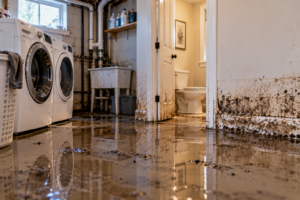
Water damage: Water used to extinguish a fire may require extraction and structural drying.
Property accessibility: Unsafe structural conditions or debris can complicate inspection and restoration.
A professional assessment helps distinguish materials that can be cleaned from those requiring removal.
What Is Included in Fire Damage Restoration?
Fire restoration involves several steps, depending on the severity of the incident.
After the property is cleared for safe access, the process may include:
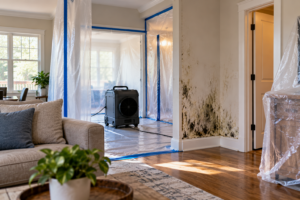
- Emergency board-up or temporary protection.
- Removal of debris and unsalvageable materials.
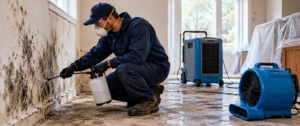
- Soot and smoke residue cleaning.
- Smoke odor treatment.
- Water extraction and structural drying.
- Repairs and reconstruction.
Smoke odor treatment alone does not replace cleaning contaminated surfaces. Successful restoration requires addressing both visible residues and their underlying sources.
Does Insurance Cover Fire Damage Restoration?
Homeowners insurance commonly includes coverage for covered fire losses, subject to exclusions, deductibles, and policy limits.
Property owners should document damage, retain restoration estimates, and communicate with their insurance company throughout the claim process.
Understanding filing a fire damage insurance claim can help homeowners organize photographs, damaged property inventories, and other supporting records.
Coverage decisions ultimately depend on the circumstances and policy provisions.
How Can Homeowners Prevent Additional Damage?
After a fire, prioritize safety. Do not enter the property until emergency authorities confirm that entry is permitted.
Avoid touching soot-covered surfaces unnecessarily. Improper cleaning can spread residues or make certain materials harder to restore.
Where necessary, qualified professionals can arrange temporary protection against weather exposure and unauthorized entry.
Prompt assessment also helps identify hidden smoke contamination and moisture from firefighting operations.
Restore Your Property After Fire Damage
Fire restoration involves coordinating cleanup, damage assessment, and repairs.
Quality Restoration provides fire and smoke damage restoration services for affected residential and commercial properties. Contact the team to evaluate the property and identify the work needed to begin recovery.