Commercial mold remediation may be necessary when mold growth affects offices, warehouses, retail stores, hotels, or other business properties. Water intrusion, plumbing leaks, HVAC condensation, and prolonged humidity can create conditions that allow mold to develop inside building materials.
Small surface problems and extensive concealed contamination require different responses. Understanding when professional remediation is appropriate helps property managers protect occupants, address moisture problems, and avoid unnecessary disruption.
What Causes Mold Growth in Commercial Buildings?
Mold develops when sufficient moisture is present on suitable materials. Commercial buildings contain numerous areas where moisture can accumulate without being immediately noticed.
Common causes include:
- Plumbing leaks. Damaged pipes and fixtures can introduce moisture into walls, ceilings, and flooring.
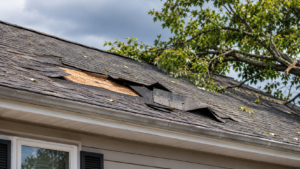
- Roof damage. Water entering through roofing systems may affect insulation and suspended ceilings.
- HVAC condensation. Drainage problems, insufficient humidity control, or improperly functioning equipment can contribute to damp conditions.
- Flooding. Stormwater intrusion and plumbing failures can leave building materials wet.
- Incomplete drying. Moisture remaining after an earlier water incident may support mold growth.
Musty odors, recurring stains, peeling finishes, and visible moisture damage may indicate the need for further investigation.
However, these signs do not establish the extent of contamination without an appropriate assessment.
When Is Professional Commercial Mold Remediation Necessary?
Professional remediation is particularly important when contamination affects large areas, appears repeatedly, or involves concealed building materials.
Conditions that may justify professional assessment include:
- Visible mold across multiple rooms or shared spaces.
- Suspected contamination behind walls or above ceilings.
- Persistent moisture following flooding or plumbing failures.
- Mold affecting ventilation components or mechanical areas.
- Contamination requiring removal of substantial building materials.
- Problems in occupied areas where uncontrolled cleaning could spread dust.
Small areas of mold on suitable hard surfaces may sometimes be handled through appropriate cleaning and moisture correction. The EPA advises considering professional assistance for larger areas, particularly when contamination exceeds approximately 10 square feet.
The appropriate response also depends on building conditions, contamination type, occupant needs, and applicable requirements.
What Does Commercial Mold Remediation Involve?
Professional remediation should address both contaminated materials and the moisture conditions responsible for growth.
A typical project may involve several stages:
- Assessment. Identifying affected areas, moisture sources, and materials requiring attention.
- Containment. Isolating work areas when necessary to reduce the movement of contaminated dust.
- Material removal. Removing porous materials that cannot be adequately cleaned.
- Cleaning. Treating suitable remaining surfaces using methods appropriate for the materials.
- Moisture correction. Repairing leaks and addressing excess humidity or condensation.
- Completion evaluation. Checking for remaining visible contamination, debris, and unresolved moisture conditions.
Simply applying paint over mold or spraying disinfectant onto contaminated surfaces does not reliably resolve growth inside damaged porous materials.
Some projects may require independent post-remediation verification, depending on the scope of work and building requirements.
How Can Businesses Reduce Disruption During Mold Remediation?
Commercial remediation often takes place in buildings that must accommodate employees, tenants, customers, or essential operations.
Clear planning helps determine which areas require restricted access and whether unaffected spaces can remain operational.
Property managers should consider:
- Communicating work schedules to building occupants.
- Protecting unaffected inventory and equipment.
- Maintaining appropriate containment boundaries.
- Organizing access routes around restricted areas.
- Coordinating with maintenance and HVAC personnel.
- Evaluating affected spaces before they return to normal use.
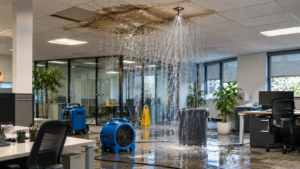
When remediation follows a water incident, minimizing business downtime after water damage often begins with prompt extraction, drying, and moisture assessment.
Early control of water intrusion may prevent secondary damage and reduce the amount of material requiring removal.
However, operational convenience should never override necessary safety precautions.
Can Employees Remain in the Building During Remediation?
Continued occupancy depends on the size and location of contamination, the work being performed, and whether affected areas can be appropriately isolated.
Some projects may allow operations in separate, unaffected sections of a building.
More extensive contamination or work affecting essential ventilation and shared spaces may require temporary restrictions or relocation.
Occupants with respiratory conditions or other health concerns may require additional consideration.
These decisions should reflect the actual building conditions and the remediation plan rather than a universal rule.
How Can Commercial Property Owners Prevent Mold From Returning?
Long-term prevention depends primarily on moisture control and routine maintenance.
Property managers should inspect roofing, plumbing, drainage systems, and HVAC equipment regularly.
Persistent condensation, recurring leaks, and damp building materials should be investigated rather than treated as cosmetic problems.
After water damage, appropriate drying and moisture monitoring can help identify materials that remain wet.
Regular inspections of basements, mechanical rooms, storage areas, and previously affected spaces may reveal problems before contamination becomes extensive.
How Do You Know When Commercial Mold Remediation Is Complete?
Completion should be determined by the actual condition of the work area.
Contaminated materials should have been appropriately cleaned or removed, visible remediation debris eliminated, and moisture sources addressed.
Where required, additional evaluation or independent verification may help confirm that the agreed remediation objectives have been met.
Effective commercial mold management combines appropriate remediation, moisture correction, building maintenance, and clear procedures for reporting future water problems.