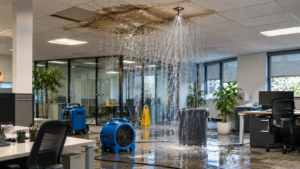
Commercial water damage can disrupt daily operations, damage inventory, and create unsafe conditions for employees and customers. A leaking pipe, roof failure, or flooding incident may affect offices, retail stores, warehouses, and other commercial properties.
Reducing business downtime requires a coordinated response. The first priorities are protecting occupants, controlling the water source, identifying affected materials, and organizing restoration work around the building’s operational needs.
What Causes Water Damage in Commercial Buildings?
Commercial properties can experience water damage from several sources, each requiring a different response.
- Plumbing failures. Burst pipes, leaking fixtures, and damaged supply lines can release water into occupied rooms or concealed building spaces.
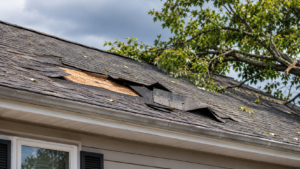
- Roof leaks. Damaged roofing or drainage systems may allow rainwater to reach ceilings, insulation, and interior finishes.
- Severe weather. Heavy rainfall and flooding can affect basements, storage rooms, and ground-floor commercial areas.
- HVAC problems. Blocked condensate drains or malfunctioning equipment can lead to unexpected moisture accumulation.
- Fire suppression systems. Accidental discharge, damaged sprinkler components, and water damage caused by fire sprinkler systems can affect extensive interior areas.
Identifying the source is essential because water contamination, exposure time, and building materials influence the restoration approach.
What Should Businesses Do Immediately After Water Damage?
The first priority is safety. Keep employees and visitors away from standing water, potentially damaged electrical equipment, and areas where ceilings or structural materials appear unstable.
If the water source can be stopped safely, authorized personnel should take appropriate action.
Facility managers can then organize the initial response:
- Identify the affected rooms and restrict access where necessary.
- Notify maintenance teams and appropriate emergency personnel.
- Document visible water damage from safe locations.
- Identify inventory, documents, and equipment at risk.
- Arrange assessment of affected building materials.
- Communicate temporary access restrictions to employees and tenants.
Do not operate electrical equipment exposed to water until it has been evaluated by a qualified professional.
Water that appears clean may still present contamination risks depending on its source and surrounding conditions.
How Can Commercial Restoration Reduce Business Downtime?
Early damage assessment helps establish which areas require immediate attention and which parts of the property may remain usable.
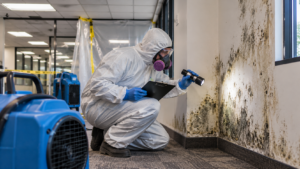
Restoration commonly involves water extraction, moisture inspection, structural drying, cleaning, and removal of materials that cannot be restored.
Moisture measurements can help locate water trapped beneath flooring, behind walls, or above ceilings.
Depending on the building layout, drying equipment may be positioned to address affected areas while limiting unnecessary interference with unaffected spaces.
In some situations, restoration can be completed in stages. For example, work may begin in severely damaged rooms while separate, unaffected areas remain operational.
However, continued occupancy depends on building safety, contamination, and the feasibility of isolating restoration work.
Restoration schedules should not compromise drying requirements simply to reopen a room sooner.
Which Business Areas Should Be Prioritized?
Priorities should be based on safety, building conditions, and operational importance.
Critical areas may include:
- Electrical and mechanical rooms.
- Server rooms and communications equipment.
- Customer-facing spaces.
- Inventory storage areas.
- Essential workstations and production areas.
- Shared access routes and emergency exits.
Sensitive electronics and machinery should be evaluated separately before being returned to service.
A coordinated response can help identify which systems must be repaired before normal operations resume.
What Should Businesses Document for Insurance?
Documentation can help support both property damage claims and potential business interruption claims.
Useful records include photographs, maintenance reports, equipment inventories, restoration estimates, and invoices for emergency work.
Businesses should also maintain records of operational disruptions, including affected departments and dates when normal activities were interrupted.
Business interruption coverage is policy-dependent and may require a covered physical loss. Not every interruption automatically qualifies for reimbursement.
Property owners should review their policy and communicate with the insurer about documentation requirements.
How Can Businesses Prepare for Future Water Damage?
Preparation can reduce confusion during an emergency and help personnel respond consistently.
Commercial properties should maintain accessible emergency contact information and clear procedures for reporting leaks.
Routine inspections of plumbing, roofs, drainage systems, and HVAC equipment may identify developing issues.
Facility managers should know the locations of water shutoff controls and understand which personnel are authorized to operate them.
Valuable inventory, records, and sensitive equipment should be stored with potential water exposure in mind.
After previous damage, affected areas should be monitored for recurring moisture problems.
What Determines When a Business Can Reopen?
Reopening depends on the condition of the building rather than a predetermined restoration timeline.
Before affected areas return to normal use, relevant electrical and structural hazards should be addressed, contaminated materials treated appropriately, and necessary drying completed.
Commercial water damage recovery is most effective when safety, restoration requirements, and business operations are considered together.
A documented response plan and clear communication between property managers, restoration teams, and occupants can help reduce unnecessary disruption without compromising the quality of recovery.