Emergency board-up services temporarily secure damaged buildings after fires, storms, accidents, or other incidents that leave exterior openings exposed. Broken windows, damaged doors, and compromised exterior walls can allow rain, wind, debris, and unauthorized visitors to enter a property.
Board-up is a protective measure designed to reduce further exposure while inspections and permanent repairs are arranged. It does not repair structural damage or replace a functioning exterior wall, window, or door.
When Are Emergency Board-Up Services Necessary?
Temporary board-up may be necessary whenever a building opening cannot be secured using its normal components.
Common situations include:
- After a fire. Heat, firefighting operations, or structural damage may leave broken windows and damaged entrances.
- Following severe storms. Wind and flying debris can break glass, damage doors, or expose interior rooms.
- After vehicle impacts. Accidents may damage storefronts, garage doors, and exterior walls.
- Following vandalism. Broken windows and damaged entrances may require temporary protection until repairs are completed.
- During reconstruction. Openings created by the removal of damaged materials may need to be protected between work stages.
Not every damaged opening can be secured immediately. If the surrounding structure is unstable, additional assessment may be necessary first.
What Does Professional Emergency Board-Up Include?
Board-up work starts with determining which areas require protection and whether access is safe.
Depending on the incident, the process may involve:
- Assessing broken windows, doors, and exterior openings.
- Identifying loose materials and immediate hazards.
- Measuring the affected areas.
- Selecting suitable temporary protective materials.
- Installing and securing panels or coverings.
- Checking that the protected openings remain reasonably secure.
The methods and materials used depend on the building’s construction and the size of the opening.
For example, a broken residential window may require a different approach from a large commercial storefront opening.
Temporary panels should be installed without unnecessarily damaging surrounding materials.
Emergency board-up must also account for safe access, fire exits, and other building safety requirements. Covering an opening should not create a new hazard for occupants or emergency responders.
How Does Board-Up Help Prevent Additional Damage?
Damaged exterior openings can expose indoor materials to weather and other risks.
Rain entering through a broken window may affect flooring, insulation, drywall, or furnishings.
Wind can carry debris through exposed entrances, while an unsecured opening can make unauthorized access easier.
Temporary board-up helps limit these risks until permanent repairs become possible.
For commercial buildings, it may also help protect inventory and prevent further exposure of damaged storefronts.
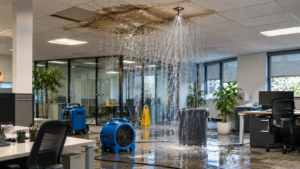
However, securing an opening does not eliminate water already inside the structure.
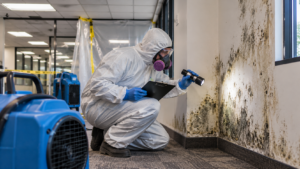
If insulation, walls, or flooring have become wet, separate moisture assessment and drying may be necessary.
What Should Property Owners Do After Board-Up?
Temporary protection is only one stage of property recovery.
After the building has been secured, the remaining damage should be evaluated to establish the repairs required.
This may include replacing windows, repairing exterior walls, removing debris, or addressing fire and water damage.
Property owners should document the original damage and retain receipts for temporary protection.
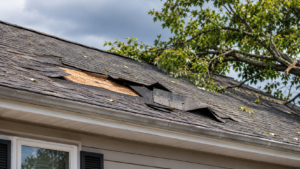
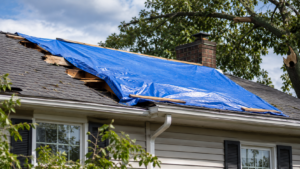
If the incident involved severe weather, temporary roof protection after a storm may also be necessary when roofing materials were damaged or openings remain exposed.
Permanent repairs should be scheduled rather than leaving the property secured with temporary panels for an extended period.
Will Insurance Pay for Emergency Board-Up?
Some property insurance policies may cover reasonable emergency protection expenses following a covered loss.
For example, temporary board-up after a covered fire or storm may qualify as part of measures taken to prevent further damage.
Coverage depends on the policy, the cause of the incident, and whether the expenses were appropriate under the circumstances.
Useful documentation includes photographs, the date of the incident, invoices, and records of the work performed.
Property owners should report the loss to their insurance company and review any requirements concerning temporary repairs.
How Long Can a Property Remain Boarded Up?
There is no single recommended duration for every property.
Temporary panels can deteriorate, become loose, or fail to provide sufficient protection during continued exposure to weather.
Local building rules, security concerns, and the condition of the damaged structure may also influence how long temporary protection can remain in place.
Buildings that must stay secured for an extended period should be monitored for loose panels, water intrusion, and other developing problems.
Permanent repairs provide a more reliable solution than depending indefinitely on emergency coverings.
What Is the Most Important Step After Property Damage?
The priority is to make the area safe, protect exposed building openings, and determine the full extent of the damage.
Board-up may help prevent secondary problems, but structural repairs, moisture control, and other restoration work must be addressed separately when necessary.
Understanding the purpose and limitations of emergency board-up helps property owners make informed decisions after unexpected damage.