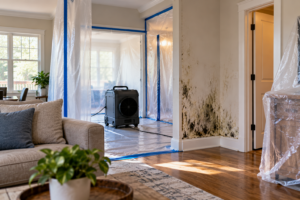
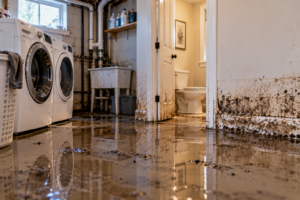
Sewage cleanup costs depend on the extent of contamination, the materials affected, and the restoration work required. A localized sewer backup may involve limited cleanup, while sewage spreading into finished rooms can require material removal, disinfection, drying, and repairs.
Because sewage water may contain harmful microorganisms, cleanup requires additional precautions beyond ordinary water removal.
What Factors Affect Sewage Cleanup Cost?
Several conditions influence the total cost of sewage damage restoration.
Size of the affected area: Sewage spreading across multiple rooms generally requires more labor, equipment, and cleaning materials.
Contaminated surfaces: Carpet, drywall, insulation, and other porous materials may not be suitable for restoration after significant sewage exposure.
Duration of exposure: Delayed cleanup can allow contaminated moisture to spread into additional materials.
Accessibility: Sewage beneath flooring or inside wall cavities can complicate removal and cleaning.
Restoration requirements: The project may involve structural drying, demolition, and reconstruction after contaminated materials are removed.
A professional inspection helps identify the necessary scope of work.
What Is Included in Professional Sewage Cleanup?
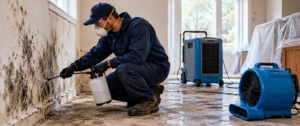
Professional sewage cleanup typically involves several stages.
- Assessing contamination and establishing appropriate safety precautions.
- Removing standing sewage water.
- Identifying and removing materials that cannot be adequately cleaned.
- Cleaning and disinfecting suitable remaining surfaces.
- Drying affected building materials and monitoring moisture.
- Completing necessary repairs.
The exact process depends on the contamination source, building materials, and conditions inside the property.
Sewage cleanup should not be treated as ordinary household cleaning. Exposure to contaminated water and affected materials can present health risks.
Does Insurance Cover Sewage Cleanup?
Homeowners insurance does not necessarily cover sewage backups under standard policy provisions.
Some insurers offer water backup endorsements that may provide coverage for certain sewer or drain backup incidents.
Coverage limits, exclusions, and deductibles vary by policy.
Understanding insurance coverage for sewage backup damage can help homeowners determine which questions to ask their insurer after an incident.
Photographs, cleanup records, and professional restoration estimates may support the claim process.
Why Should Sewage Damage Be Addressed Immediately?
Sewage contamination can affect floors, walls, furnishings, and other building components.
Delaying cleanup may allow moisture to spread and increase the amount of material requiring removal.
Keep people and pets away from contaminated areas. Avoid direct contact with sewage and do not use household equipment to handle potentially hazardous contamination without appropriate training and protection.
If sewage is entering the property, stop using affected plumbing fixtures and contact the appropriate plumbing or emergency service provider.
Get Professional Sewage Damage Assistance
Prompt assessment helps determine the extent of contamination and the work needed to restore the property.
Quality Restoration provides water damage and decontamination services for affected properties. Contact the team to discuss sewage-related damage and appropriate cleanup options.