Whether you can stay in your home during mold remediation depends on the size of the affected area, the location of the work, and the precautions required to limit exposure.
Some projects can be completed while occupants remain in unaffected rooms. Others may require temporary relocation, particularly when contamination is extensive or essential living areas cannot be safely separated.
When Can You Stay Home During Mold Remediation?
Remaining at home may be possible when the affected area is limited and can be adequately contained.
For example, a localized problem in a separate room may allow other parts of the property to remain accessible, depending on the remediation plan.
Professionals consider several factors before recommending continued occupancy:
- Size and location of the affected area.
- Ability to isolate the work zone.
- Likelihood of dust or contamination spreading.
- Access to bathrooms, kitchens, and sleeping areas.
- Health-related considerations for occupants.
Containment and work practices should be evaluated before remediation begins.
When Might Temporary Relocation Be Necessary?
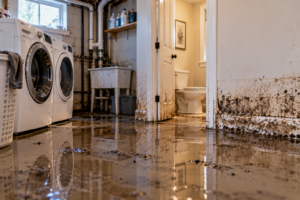
Temporary relocation may be appropriate when contamination affects multiple rooms or when substantial material removal is required.
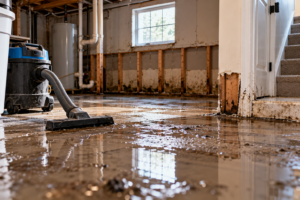
It may also be necessary if essential living spaces cannot be used safely during the project.
People with asthma, significant allergies, compromised immune systems, or other health concerns may need additional precautions. Occupants with medical concerns should seek advice from an appropriate healthcare professional.
Relocation decisions should be based on the property’s conditions and the professional remediation plan, not a universal rule.
If temporary housing is necessary, homeowners may also want to review insurance coverage for mold remediation and ask their insurer whether any additional living expenses are covered.
How Do Professionals Limit Exposure During Remediation?
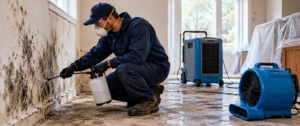
Professional mold remediation may involve physical containment barriers, controlled access, HEPA-filtered air equipment, and appropriate protective equipment.
The purpose of containment is to help reduce the movement of mold-contaminated dust from the work area into unaffected rooms.
Affected porous materials may require careful removal, while suitable remaining surfaces are cleaned.
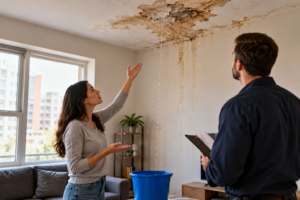
The moisture source must also be corrected to reduce the likelihood of recurring growth.
The specific procedures depend on the size, location, and nature of the contamination.
What Should Homeowners Ask Before Work Begins?
Before scheduling remediation, ask the contractor:
- Which rooms will be inaccessible?
- What containment methods will be used?
- Will heating or ventilation systems need special precautions?
- Can occupants remain in unaffected areas?
- How will completion and cleanliness be evaluated?
These questions help establish expectations and identify potential disruptions to daily routines.
Plan for a Safer Remediation Process
Mold remediation should address both contamination and the moisture conditions responsible for it.
Quality Restoration provides professional mold damage restoration services and can help property owners understand the scope of work before remediation begins. Contact the team to discuss your property’s conditions and occupancy considerations.