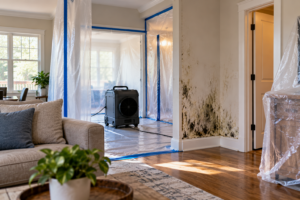
Homeowners insurance may cover mold remediation in certain situations, but coverage is not automatic. The deciding factors are usually the cause of the moisture, the terms of the insurance policy, and any mold-related exclusions or limits.
Understanding these conditions can help homeowners determine whether filing an insurance claim is appropriate.
When Does Homeowners Insurance Cover Mold Damage?
Mold remediation may be covered when it results directly from a sudden and accidental event that is covered under the policy.
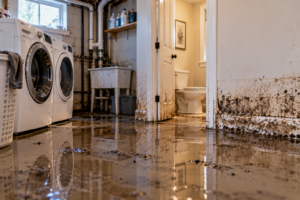
For example, a burst pipe could cause water damage inside a wall. If the resulting moisture leads to mold growth, some policies may provide coverage for related remediation expenses.
However, coverage depends on several details:
- Whether the original water damage is a covered loss.
- Whether the policy includes mold exclusions or special limits.
- Whether the homeowner took reasonable steps to prevent additional damage.
- Whether the affected materials require cleaning or replacement.
Even when the original water damage is covered, mold remediation expenses may be subject to separate limits.
When Is Mold Remediation Usually Not Covered?
Insurance policies frequently exclude damage associated with gradual deterioration, ongoing maintenance problems, or long-term moisture exposure.
Common situations that may fall outside standard coverage include:
- Slow plumbing leaks that remain unresolved.
- Persistent condensation caused by humidity problems.
- Roof leaks associated with neglected maintenance.
- Mold resulting from repeated moisture intrusion.
These circumstances are not automatic grounds for denial in every policy. The specific wording and facts of the loss determine the outcome.
Homeowners should review their policy rather than assume that all mold damage is covered or excluded.
How to Document Mold Damage for an Insurance Claim
Proper documentation helps explain the cause and extent of the damage.
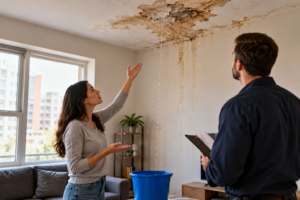
Start by photographing visible staining, water damage, and affected rooms. Record when the issue was discovered and any known plumbing or weather-related incidents.
Keep copies of repair invoices, inspection findings, communications with the insurer, and professional remediation estimates.
If there is an active leak, take appropriate steps to stop further damage when safe. Do not delay urgent mitigation solely to obtain photographs.
A professional assessment may help identify affected materials and provide a documented scope of necessary work.
What Happens If Mold Remediation Is Not Covered?
When an insurer denies coverage or applies a limited benefit, the homeowner may be responsible for some or all remediation expenses.
Understanding the cost of professional mold remediation can help with planning and comparing the scope of proposed services.
Addressing the moisture source is especially important. Removing visible mold without fixing a leak or humidity problem may allow growth to return.
Get Help With Mold Damage
Mold damage should be evaluated based on the actual conditions inside the property, regardless of the insurance outcome.
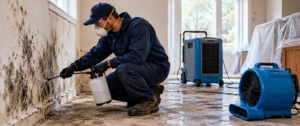
Quality Restoration provides mold damage restoration services to help property owners address affected materials and underlying moisture problems. Contact the team to discuss a professional assessment.