How to Choose the Right Water Damage Restoration Company

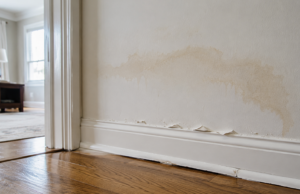
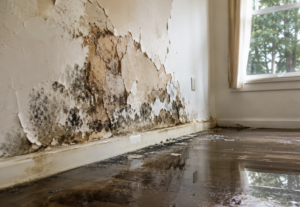
Water damage can spread quickly through floors, walls, insulation, and personal belongings. Even when the surface looks dry, moisture may remain hidden inside building materials. That is why choosing the right water damage restoration company is important. A professional approach helps identify the full extent of the problem, reduce the risk of mold, and support a safer restoration process.

Why Professional Water Damage Restoration Is Crucial

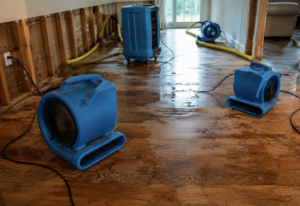
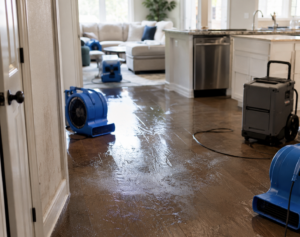
After a leak, flood, burst pipe, or appliance failure, the first step is not only removing visible water. Proper restoration includes inspection, moisture detection, emergency water removal, drying, cleaning, and monitoring. Without these steps, residential water damage can lead to odors, structural issues, damaged flooring, and mold growth. A trained water damage restoration expert understands how moisture moves through different materials. Drywall, wood, carpet, and insulation all react differently to water. Professional teams use specialized restoration equipment, such as extractors, air movers, dehumidifiers, and moisture meters, to dry affected areas more accurately than household fans or towels can.

Core Factors to Evaluate Before Choosing a Company

When learning how to choose a water damage restoration company, start with qualifications. Look for licensed and insured providers, as well as certified restoration technicians. Industry certifications show that technicians are trained in accepted cleaning, drying, and safety methods. Many property owners also look for IICRC certified specialists; this term is sometimes mistakenly written as ICRC certified. Experience is another key factor. A company that regularly handles water damage can better assess hidden moisture, contaminated water, and materials that may need removal. Response time also matters. Water damage does not wait, so 24/7 availability can be important after sudden leaks or flooding. Customer reviews may also help you understand how a company communicates, explains estimates, and handles stressful situations. Look for patterns in feedback rather than one isolated review.

Questions to Ask Before Signing a Contract

Before approving any work, ask what services are included. Does the process cover inspection, water extraction, drying, cleaning, and moisture monitoring? How will the damage be assessed? Will the company document affected areas with photos, readings, or written reports? It is also useful to ask whether they can provide information needed for an insurance claim. A restoration company should not promise coverage, but clear documentation can help property owners communicate with their insurance provider.

Common Mistakes When Choosing a Restoration Provider

One common mistake is choosing only the lowest price. A very low estimate may not include full drying, hidden moisture checks, or necessary equipment. Another mistake is agreeing to work without a transparent scope, written estimate, or explanation of the restoration process. Property owners should also be careful with unverified contractors after storms or major flooding events. Reliable providers should be willing to explain their credentials, process, timeline, and limitations clearly.

What to Prioritize

The right water damage restoration company should combine professionalism, transparency, proper equipment, and experience with different levels of damage. Fast action is important, but so is careful assessment. By choosing qualified specialists, property owners can reduce further damage, protect indoor conditions, and make more informed decisions during recovery.
Quality Restoration Expert

Quality Restoration is Here for You

Quality Restoration offers 24/7 emergency services, restoring properties after water, fire, mold, sewage, or storm damage.

Recent Post

In times of crisis, being well-informed can be a game-changer. Explore the insights of our experts on disaster preparedness, accelerating recovery, and every aspect in between. Our unwavering support is at your service.

Share on:
ChatGPT Perplexity AI Overviews Grok