A house fire can leave behind much more than burned materials. Even after the flames are extinguished, the property may contain structural hazards, damaged electrical systems, smoke residue, soot, contaminated contents, and large amounts of water from firefighting efforts.
The first hours after the fire are not the time for aggressive cleaning. Recovery should begin with safety, documentation, stabilization, and professional assessment.
Do Not Enter Until the Property Is Safe
A building can remain dangerous after a fire even when there is no visible flame.
Floors, stairs, ceilings, walls, and roofing may have been weakened by heat. Electrical wiring may be damaged. Water used during firefighting can create additional hazards.
Do not enter until the fire department or other responsible authorities confirm that access is permitted.
Even after entry is allowed, avoid areas with sagging ceilings, unstable flooring, exposed wiring, or standing water near electrical equipment.
Document the Damage Before Cleanup
Before major cleaning or debris removal begins, document the condition of the property when it is safe to do so.
Take photographs and video of:
- burned areas;
- soot-covered surfaces;
- smoke staining;
- damaged furniture;
- affected rooms;
- water intrusion;
- structural damage.
This documentation may be useful during the insurance process.
Avoid immediately discarding large amounts of damaged property unless it creates a safety hazard. Some items may still be candidates for professional restoration.
What Should You Do Immediately After a House Fire?
A practical sequence includes:
- Follow all instructions from emergency authorities.
- Contact your insurance provider.
- Secure exposed doors, windows, or roof openings.
- Avoid touching soot-covered surfaces unnecessarily.
- Arrange professional fire restoration assessment.
A professional inspection helps determine whether the damage is primarily structural, smoke-related, water-related, or a combination of several types.
For a broader explanation of the different categories, see Major Types of Fire Damage and How They Affect Properties.
Why Fire Damage Is More Than Burned Materials
Burned walls or furniture are only one part of the problem.
Smoke can travel into areas untouched by flames and leave residue on walls, ceilings, fabrics, cabinets, and HVAC components.
Persistent odor is another issue. It can remain even after visible residue has been cleaned. Learn more in How to Get Smoke Smell Out of a House After a Fire.
Soot also requires proper cleaning methods. Incorrect wiping can spread or embed residue. See Soot Damage After a Fire: What Can Be Cleaned and What Needs to Be Replaced?
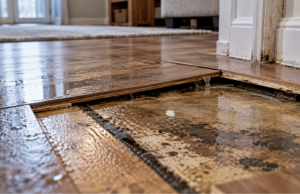
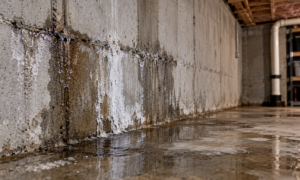
Firefighting water may also soak drywall, flooring, wood, insulation, and furniture. If moisture remains, secondary water damage and mold may develop.
When Can Restoration Begin?
Restoration can begin once the property is safe to access and the extent of damage has been assessed.
The process may include emergency stabilization, water extraction, structural drying, soot cleaning, smoke odor removal, contents restoration, damaged material removal, and reconstruction.
The time required can vary significantly depending on how severely the property was affected.
For a complete breakdown, see How Long Does Fire Damage Restoration Take? A Step-by-Step Recovery Timeline.
Quality Restoration provides professional Fire and Smoke Damage Restoration for residential and commercial properties, helping coordinate cleanup, drying, contents recovery, and repairs after a fire.
The key is to avoid treating the event as a simple cleaning job. Fire restoration requires several types of damage to be addressed together so the property can be returned to a safe and functional condition.