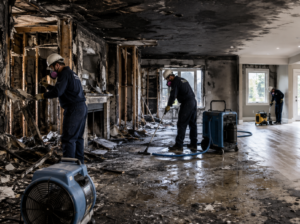
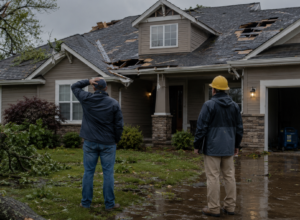
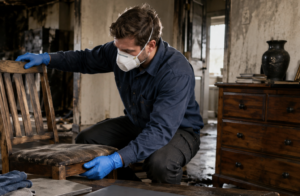
A sewage backup in the basement is not the same as a normal plumbing leak. It combines water damage with contamination, creating potential health risks and making cleanup more complicated.
Sewage may affect flooring, drywall, insulation, furniture, boxes, and stored belongings. It can also create electrical hazards if contaminated water reaches outlets, appliances, or mechanical equipment.
The first priority should always be limiting exposure and preventing the contamination from spreading.
Why Is a Sewage Backup Dangerous?
Sewage can contain bacteria, viruses, and other microorganisms.
Direct contact with contaminated water or materials should be avoided.
Basements can be especially challenging because they often contain porous building materials and limited ventilation.
Electrical equipment may also be located close to standing water.
Do not enter the affected area if there is any possibility of electrical danger.
What Should You Do Immediately?
If sewage backs up into your basement:
- Keep children and pets away.
- Avoid direct contact with contaminated water.
- Do not enter if electrical equipment may be affected.
- Stop using plumbing fixtures if they may worsen the backup.
- Contact the appropriate plumbing or sewer professional.
- Arrange professional cleanup.
Photographs can be useful for documentation, but only take them when the area is safe to access.
Professional Water Damage Restoration may be necessary once the source is controlled.
What Should You Never Do After a Sewage Backup?
Do not treat sewage like clean water.
Household vacuums, ordinary mops, or improvised cleanup methods may spread contaminated material to other areas.
Avoid moving affected rugs, furniture, or boxes through clean parts of the home without a controlled removal plan.
Do not mix household cleaning chemicals in an attempt to create a stronger disinfectant.
If you are unsure whether the loss may be covered by insurance, see Does Homeowners Insurance Cover Water Damage? What Is and Isn’t Covered.
Which Materials May Need to Be Removed?
Porous materials are particularly difficult to restore after sewage exposure.
Depending on the severity of contamination, materials that may require removal include:
- carpet padding;
- drywall;
- insulation;
- mattresses;
- upholstered furniture;
- cardboard;
- absorbent flooring materials.
Hard, nonporous materials may sometimes be cleaned and disinfected if they remain structurally sound.
For another common basement emergency, see Basement Flooded After Heavy Rain: What Should You Do First?
Can a Sewage Backup Cause Mold?
Yes. Sewage backups create both contamination and moisture problems.
Even after the visible sewage water is removed, moisture may remain inside walls, flooring, framing, or other materials.
If drying is delayed, conditions can become favorable for mold growth.
More information is available in How Fast Does Mold Grow After Water Damage? What Happens in the First 24–48 Hours.
If mold has already developed, see Mold Removal vs. Mold Remediation: What’s the Difference?
A sewage backup requires more than water extraction. Proper restoration may include contaminated material removal, cleaning, drying, moisture monitoring, and repairs.
Quality Restoration can help property owners address both the immediate water damage and the secondary risks that may follow.