Older homes often have charm, character, and durable materials, but they can also be more vulnerable to water damage. Aging plumbing, worn roofing, poor drainage, and outdated building systems may allow moisture to enter areas where it can remain hidden for a long time. Understanding the most common causes helps homeowners notice problems earlier and reduce the risk of serious property damage.
Aging Plumbing Systems
One of the main causes of water damage in older homes is outdated plumbing. Pipes can corrode, loosen, crack, or develop small leaks over time. In many cases, the leak begins slowly behind walls, under sinks, in basements, or near appliances.
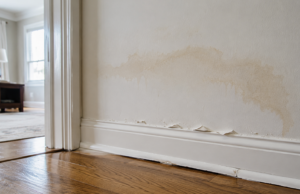
Even a minor plumbing leak can lead to moisture damage if it continues unnoticed. Water may soak into drywall, flooring, cabinets, or insulation. Signs of a plumbing issue may include low water pressure, stains, damp spots, musty odors, or an unexpected increase in water bills.
Roof Leaks and Worn Flashing
Older roofs are another common source of water intrusion. Missing shingles, damaged flashing, cracked seals, or clogged gutters can allow rainwater to enter the attic or wall cavities. Once water gets inside, it may travel far from the original leak before becoming visible.
Ceiling stains, peeling paint, damp insulation, or mold in the attic can all point to roof-related water damage. After heavy rain or storms, it is especially important to check vulnerable areas around chimneys, skylights, vents, and roof edges.
Poor Drainage Around the Foundation
Many older homes were built before modern drainage systems became common. If water collects near the foundation, it can seep into basements, crawl spaces, or lower walls. Cracks in foundation walls, poorly sloped soil, or blocked downspouts can make the problem worse.
Basement moisture may appear as damp walls, efflorescence, standing water, or a musty smell. Over time, repeated moisture exposure can damage flooring, stored belongings, framing, and indoor air quality.
Old Windows and Doors
Worn window frames, cracked caulking, and damaged door seals can let water enter during rain or snow. This type of water damage may be easy to miss because it often starts around trim, sills, or wall corners.
Wood around windows may swell, soften, or rot. Paint may bubble, and mold may appear in areas with poor ventilation. Regular inspection of seals and exterior gaps can help identify these problems before they spread.
Outdated Appliances and Fixtures
Water heaters, washing machines, dishwashers, toilets, and sinks can become leak sources as they age. Hoses may crack, valves may fail, and seals may wear out. In older homes, appliances may also be connected to aging plumbing lines, increasing the chance of leaks.
Small appliance leaks can affect flooring, subfloors, cabinets, and nearby walls. Because many leaks happen behind or under appliances, damage may not be visible until materials begin to warp or smell musty.
Water damage in older homes often starts with small, hidden problems. Aging plumbing, roof leaks, poor drainage, worn seals, and outdated fixtures can all allow moisture to enter the structure. Regular inspections, fast leak repairs, and attention to early warning signs can help protect the home and prevent minor moisture issues from becoming larger restoration problems.