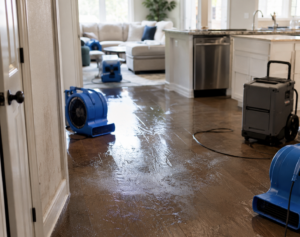
Hardwood floors can make a home feel warm, durable, and valuable, but they are also highly vulnerable to water damage. When moisture gets into wood flooring, the problem can spread below the surface long before the damage looks severe. A small leak, burst pipe, appliance overflow, roof leak, or flooded basement can affect not only the visible boards, but also the subfloor, trim, walls, and indoor air quality. Fast action is essential because wood absorbs moisture, changes shape, and can create conditions for mold growth if it is not dried correctly.
Early Signs of Water Damage on Hardwood Floors
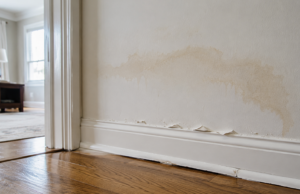
The first signs are often subtle. A homeowner may notice slight discoloration, dull areas, dark spots, cloudy finish, or small gaps between boards. As the damage progresses, the floor may begin to cup, crown, buckle, or feel soft underfoot. Cupping happens when the edges of the boards rise higher than the center. Crowning is the opposite, when the center rises above the edges. Buckling is more serious because boards may lift away from the subfloor.
Other warning signs include a musty odor, damp baseboards, peeling finish, stained seams, unusual movement, or water marks near appliances, exterior doors, bathrooms, kitchens, or laundry rooms. Even when the surface looks dry, moisture may remain underneath the flooring. That hidden moisture is often what causes long-term damage.
Why Hardwood Floor Water Damage Is Serious
Water damage to hardwood is not only a cosmetic issue. Wood expands when it absorbs moisture and contracts as it dries. When this happens unevenly, boards can warp, crack, separate, or lose their original shape. If water reaches the subfloor, the damage may become more complex and expensive to repair.
The biggest risk is trapped moisture. Water can move between boards, under flooring, into wall edges, and beneath cabinets. When moisture stays inside enclosed materials, it may lead to mold growth, odors, weakened adhesives, damaged underlayment, and structural deterioration. A floor that appears dry on top may still be wet below, especially after a burst pipe, plumbing leak, or flooding event.
What to Do First
The first step is to stop the water source. Shut off the main water supply if the damage comes from a pipe, appliance, or plumbing fixture. Avoid walking through standing water if it is near electrical outlets, appliances, or wiring. Move furniture, rugs, and belongings away from the affected area, then document the damage with photos and videos.
Do not cover wet hardwood with plastic, mats, or towels for a long period. This can trap moisture against the surface. Remove standing water as quickly as possible, but avoid aggressive heat, household fans in contaminated situations, or sanding before the floor has been properly evaluated. Drying hardwood too fast or incorrectly can make warping worse.
Professional Restoration Steps
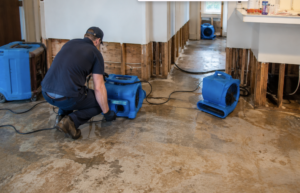
Hardwood floor restoration starts with inspection and moisture detection. Professionals check the visible floor, subfloor, baseboards, nearby walls, and affected rooms to understand how far the water has traveled. Moisture meters and thermal imaging help identify areas that cannot be judged by appearance alone.
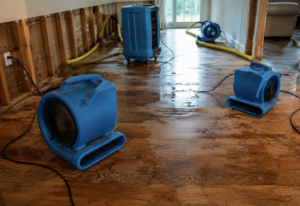
After inspection, the process may include water extraction, controlled drying, dehumidification, air movement, removal of damaged materials, cleaning, and monitoring. In some cases, specialized drying systems can help save hardwood flooring. In other cases, boards may need to be removed if they are severely warped, contaminated, or damaged beyond recovery.
The goal is not simply to make the surface look dry. The goal is to restore safe moisture levels throughout the flooring system and prevent secondary damage. This is especially important when water has been present for many hours or when the source was a major leak or flood.
When to Call Quality Restoration
Hardwood floor water damage should be inspected quickly when boards are cupping, buckling, stained, soft, musty, or affected by a plumbing leak, appliance overflow, basement flooding, or storm-related water intrusion. Waiting can allow moisture to move deeper into the structure and increase the chance of mold or permanent floor damage.
Quality Restoration helps homeowners and businesses respond to water damage with professional water removal, moisture detection, structural drying, cleanup, and restoration services. Fast response can help protect hardwood floors, reduce repair costs, and prevent the damage from spreading into walls, subfloors, and surrounding materials.
A damaged hardwood floor should never be treated as only a surface problem. The real issue is moisture, and moisture must be found, measured, and removed correctly. Acting quickly gives the floor and the property the best chance of recovery.