Frozen pipes are one of the most common winter plumbing problems in cold climates. When water inside a pipe freezes, it expands and increases pressure inside the line. The pipe may crack or burst, allowing water to spread quickly through walls, floors, cabinets, and basements. Knowing the warning signs and acting early can help reduce the risk of serious water damage.
Why Do Pipes Freeze?
Pipes usually freeze when they are exposed to low temperatures for an extended period. The risk is higher in areas where plumbing is not well insulated or where cold air can reach the pipes directly.
Common problem areas include exterior walls, attics, crawl spaces, garages, basements, and other unheated parts of a home. Pipes located near gaps, vents, or poorly sealed openings may also be exposed to drafts that lower the temperature around them.
Poor insulation increases the risk because it allows heat to escape and leaves plumbing vulnerable during extended cold periods. Even pipes inside a heated building can freeze if they run through colder sections of the structure.
Warning Signs of a Frozen Pipe
A frozen pipe does not always burst immediately. In many cases, there are warning signs that appear first.
Watch for:
- weak or reduced water flow;
- no water coming from a faucet;
- visible frost on exposed pipes;
- unusual banging, whistling, or gurgling sounds;
- sections of pipe that feel unusually cold;
- inconsistent water pressure.
A faucet that suddenly stops working during freezing weather can be one of the clearest signs that ice is blocking the line.
It is important to take these symptoms seriously. Pressure can continue to build inside the pipe, and damage may occur before the ice fully thaws.
What to Do If You Think a Pipe Is Frozen
If you suspect a frozen pipe, avoid using open flames, torches, or other high-heat methods. These can damage plumbing materials and create a fire hazard.
Start by identifying the affected area if it is accessible. Keep the faucet connected to the frozen line open so water has a place to move as the ice begins to thaw.
Warm the surrounding area gradually by increasing indoor heat or allowing warmer air to reach the pipe. If the pipe is inside a cabinet, opening the doors can help warm air circulate around it.
If you cannot locate the frozen section, the pipe is hidden inside a wall, or you notice signs of cracking or leaking, it is safer to contact a plumbing professional.
What Happens When a Frozen Pipe Bursts?
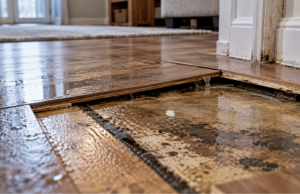
When a frozen pipe cracks, the damage may not become obvious until the ice begins to thaw. Once water flow returns, it can escape through the damaged section and spread rapidly.
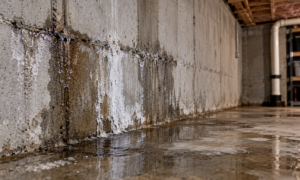
Water may move beneath flooring, inside walls, through ceilings, into cabinets, or down into a basement. Materials such as drywall, insulation, wood, and particleboard can absorb moisture quickly.
If water reaches floor assemblies, see Water Damage Under Flooring: Signs of Hidden Moisture You Should Not Ignore for common warning signs and next steps.
Leaks near kitchens or utility areas can also affect cabinetry. Water Damage to Kitchen Cabinets: Can They Be Dried or Do They Need Replacement? explains how different cabinet materials respond to moisture.
The sooner water is stopped and affected areas are dried, the lower the risk of secondary damage.
How to Prevent Frozen Pipes
Prevention starts before temperatures fall.
Insulate vulnerable plumbing in attics, crawl spaces, basements, garages, and exterior walls. Pipe insulation can help slow heat loss and reduce the risk of freezing during cold weather.
Keep heated areas at a consistent temperature, especially overnight. Rooms that contain plumbing should not become significantly colder than the rest of the home.
Seal gaps and drafts around windows, doors, utility penetrations, and other openings where cold air can reach pipes.
Before winter, inspect plumbing in vulnerable areas and make sure exterior hoses are disconnected when appropriate. Homes that are unoccupied for part of the winter should also be monitored carefully.
During severe cold, pay attention to pipes that have frozen in the past. Repeated freezing often indicates that insulation, airflow, or pipe placement needs to be addressed.
Other Winter Water Damage Problems to Watch For
Frozen pipes are not the only source of winter water damage.
Snow and ice can also create problems on the roof. When melting snow refreezes near the roof edge, an ice dam can form and trap water behind it. That water may move beneath roofing materials and reach the attic, ceilings, and walls.
See Ice Dam Water Damage: Signs, Cleanup and Prevention for more information about how this type of winter leak develops and how to reduce the risk.
Preparing a home for cold weather means looking at both plumbing and exterior drainage. Insulation, heat, ventilation, and regular inspections can all help prevent winter moisture problems before they turn into costly damage.