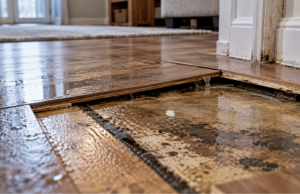
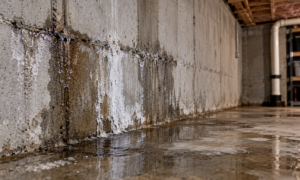
Mold in a crawl space often develops because moisture can remain trapped in an area that is rarely inspected. Groundwater, plumbing leaks, condensation, and poor airflow can keep wood, insulation, and other materials damp for long periods. Even when mold is not immediately visible, a musty odor or persistent humidity may indicate that the crawl space needs closer attention.
Why Does Mold Grow in Crawl Spaces?
Crawl spaces are especially vulnerable to moisture because they are located close to the ground and often have limited ventilation. Groundwater can move through soil and increase humidity beneath the home, while rainwater may collect near the foundation if drainage is poor.
Condensation is another common source of moisture. Warm, humid air can enter the crawl space and reach cooler pipes, walls, or wood surfaces, causing water droplets to form.
Plumbing leaks may also go unnoticed for long periods because crawl spaces are not checked frequently. Even a slow leak can keep insulation and structural materials damp enough to create favorable conditions for mold growth.
Poor airflow makes the problem worse because moisture remains trapped instead of drying naturally.
Signs of Mold in a Crawl Space
Crawl space mold is not always easy to identify from inside the living area. In some cases, the first warning sign is a persistent musty smell.
Common signs include:
- a damp or earthy odor;
- visible dark, white, green, or fuzzy growth;
- wet or sagging insulation;
- staining or discoloration on wood;
- condensation on pipes or other surfaces;
- unusually high humidity beneath the home.
A musty odor can also travel into nearby rooms, especially when air moves from the crawl space into the rest of the house. If you are noticing a similar smell in the basement, Why Does My Basement Smell Musty? Hidden Moisture, Mold and What to Do explains how hidden moisture can create persistent odors even when no standing water is visible.
How Water Gets Into Crawl Spaces
Water can enter a crawl space from several directions. One common source is through cracks or openings in the foundation. During periods of heavy rain or snowmelt, saturated soil can increase water pressure around the foundation and allow moisture to move indoors.
Rain runoff can also contribute to the problem when gutters, downspouts, or grading direct water toward the house instead of away from it. Groundwater may rise beneath the crawl space, especially in areas with poor drainage.
Plumbing leaks are another frequent source. Pipes located beneath kitchens, bathrooms, or utility areas can drip slowly and wet insulation, soil, or framing without being noticed right away.
For related foundation issues, see Foundation Crack Leaks: When a Small Crack Becomes a Water Damage Problem and Water Seeping Through Basement Walls: Common Causes and What to Do.
What Happens If Crawl Space Mold Is Ignored?
Ignoring crawl space mold allows the moisture problem behind it to continue.
Wood framing that remains damp may begin to stain, swell, or deteriorate over time. Insulation can absorb moisture, lose effectiveness, and become difficult to dry. Moisture can also affect subflooring and other materials directly above the crawl space.
Persistent humidity may contribute to odors throughout the lower level of the home and create conditions where mold continues to return.
The longer moisture remains trapped, the more difficult it can become to determine which materials can be dried and which may need to be removed.
How to Prevent Crawl Space Mold From Coming Back
Removing visible mold is only part of the solution. The moisture source also needs to be corrected.
Start by identifying where water is coming from. Plumbing leaks should be repaired, and exterior drainage should move rainwater away from the foundation.
Humidity should also be controlled. Depending on the crawl space design, this may involve improving drainage, sealing openings, managing groundwater, or using a dehumidifier as part of a broader moisture-control strategy.
Wet insulation or other damaged porous materials may need to be removed if they cannot be dried effectively. Foundation cracks, plumbing penetrations, or other openings that allow water to enter should also be repaired where appropriate.
The goal is to create a crawl space that stays consistently dry rather than repeatedly cleaning mold after each moisture event.
When Mold Remediation Is Needed
Professional mold remediation may be appropriate when visible growth covers a large area, mold keeps returning, insulation or structural materials are affected, or the source of moisture cannot be easily identified.
A professional assessment can help determine how far the moisture has spread, which materials can be cleaned or dried, and what needs to be removed. Addressing drainage, leaks, humidity, and damaged materials together is the best way to reduce the risk of mold returning.