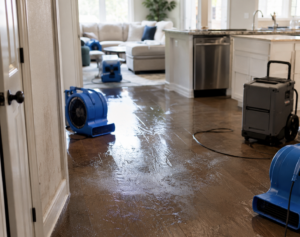
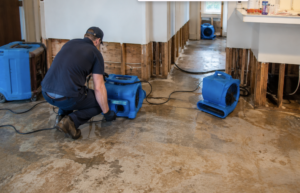
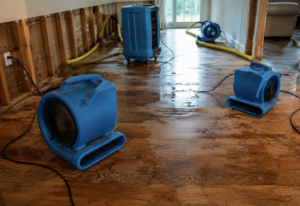
A ceiling water stain is rarely just a cosmetic mark. In many homes, it is the first visible sign that water has already moved through a roof, pipe, bathroom, appliance line, attic space, or floor system above the room. The stain may look small, dry, or harmless, but the real issue can be hidden behind drywall, insulation, wood framing, or ceiling fixtures. Treating it early helps prevent mold growth, structural damage, electrical hazards, and repeated repairs.
What a Ceiling Water Stain Usually Means
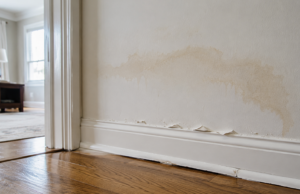
Ceiling stains usually appear when water travels downward through building materials and leaves minerals, dirt, or residue on the surface. The mark may look yellow, brown, gray, or dark around the edges. Sometimes it appears as a ring. Other times it spreads unevenly across the ceiling or follows the shape of a seam, joist, or drywall panel.
The location of the stain often gives the first clue. A mark below a bathroom may point to a leaking toilet seal, tub drain, shower pan, or supply line. A stain below an attic or roofline may signal roof damage, condensation, ice dam issues, or poor ventilation. A stain under a second-floor laundry room may come from a washing machine hose, drain line, or appliance overflow. The important point is simple: the visible stain is only the symptom, not the full problem.
When the Stain Becomes an Emergency
Some ceiling stains require immediate attention. If the stain is growing, dripping, soft to the touch, or surrounded by bubbling paint, water is likely still active inside the structure. A sagging ceiling is especially serious because wet drywall can lose strength and collapse under the weight of trapped water.
Homeowners should also take electrical risks seriously. Water near recessed lights, ceiling fans, outlets, smoke detectors, or wiring can create a dangerous situation. Avoid touching wet fixtures and do not stand under a bulging ceiling. If power can be turned off safely from a dry location, do so before entering the affected area.
Warning signs that should not be ignored include:
- a stain that expands after rain or plumbing use;
- musty odor near the ceiling or upper wall;
- peeling paint, cracked texture, or soft drywall;
- water dripping from lights or ceiling fixtures;
- repeated stains in the same area;
- visible mold, dark spotting, or unusual humidity.
These signs often mean water has been present longer than it appears from below.
Why Painting Over the Stain Is a Mistake
Painting over a ceiling stain may hide the discoloration, but it does not stop the leak, remove moisture, or repair damaged materials. If the source is still active, the stain will return. If moisture remains trapped above the ceiling, the area may develop mold, odors, weakened drywall, and damaged insulation even after the surface looks clean.
This is one of the most common mistakes after minor water damage. A stain-blocking primer can be useful only after the source has been fixed and the structure has been fully dried. Without moisture testing, the ceiling may look dry while the inside remains damp.
Hidden Damage Above the Ceiling
Ceiling water damage can spread beyond the stained area. Water follows gravity and the path of least resistance, so it may travel along joists, wiring, insulation, ductwork, or drywall seams before showing up in a visible spot. That means the leak may not be directly above the stain.
Wet insulation can hold moisture and lose performance. Wood framing may swell or begin to deteriorate. Drywall can soften, crumble, or separate from fasteners. In enclosed spaces, moisture can also create conditions for mold growth. Because these problems are hidden, professional moisture detection is often needed to understand the true extent of the damage.
What to Do When You Find a Ceiling Stain
Start by checking whether the area is active, damp, or spreading. Look at nearby bathrooms, appliances, attic spaces, roof areas, and plumbing lines. Stop using nearby fixtures if the stain appears under a bathroom, kitchen, or laundry room. If the stain appears after rain, inspect for roof or attic-related water intrusion.
Take photos and videos before making changes. Documentation can help with insurance communication and gives restoration professionals a clearer view of the original damage. Avoid cutting into the ceiling unless the area is safe and the water source is controlled.
When to Call Quality Restoration
A ceiling water stain should be inspected when it is new, growing, damp, musty, connected to a plumbing or roof leak, or located near electrical fixtures. Quality Restoration helps homeowners and businesses respond to water damage with moisture detection, water removal, structural drying, cleanup, and restoration services.
Fast action matters because ceiling stains often represent a deeper moisture problem. Finding the source, drying the affected materials, and checking for hidden damage can prevent mold, protect the structure, and reduce the chance of costly repairs. A ceiling stain is not something to cover up. It is a warning sign that the property needs proper attention before the damage spreads.