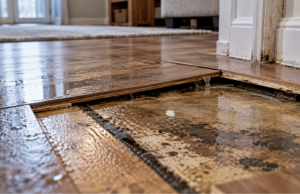
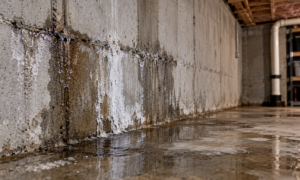
Mold in an attic often develops quietly because this part of the home is rarely inspected. Excess moisture can collect around roof decking, insulation, rafters, and other hidden surfaces long before a homeowner notices a problem. Dark spots, damp insulation, condensation, or a musty odor may all indicate that moisture conditions need attention. Finding the source is just as important as removing visible mold.
What Causes Mold in an Attic?
Attic mold develops when moisture remains in the space long enough to support growth. One of the most common causes is a roof leak that allows rain or melting snow to reach wood and insulation.
Condensation can also be a major factor. Warm, humid indoor air may rise into the attic and meet cold roof surfaces, creating moisture on rafters and roof decking. Poor ventilation can make this problem worse by trapping humid air.
Other possible sources include plumbing leaks, high indoor humidity, and water entering because of winter roof problems. For example, Ice Dam Water Damage: Signs, Cleanup and Prevention explains how backed-up meltwater can move beneath roofing materials and introduce moisture into the attic.
Common Signs of Attic Mold
Attic mold is not always easy to recognize, especially when growth begins in areas that are difficult to see. Regular inspections can help identify moisture problems before they affect a larger portion of the space.
Common warning signs include:
- black, gray, green, or dark spots on wood;
- a persistent musty or earthy odor;
- stained rafters or roof decking;
- damp or compressed insulation;
- condensation on nails, wood, or other surfaces;
- discoloration around areas where the roof has leaked;
- moisture around vents, pipes, or other penetrations.
Not every dark mark is mold, and not every musty smell confirms mold growth. However, visible discoloration combined with persistent moisture should not be ignored.
Can Frozen Pipes Cause Moisture Problems in the Attic?
In some homes, plumbing lines pass through attics or other unheated spaces. During very cold weather, poorly insulated pipes may freeze. If a frozen pipe cracks or bursts, water can spread into insulation, ceilings, walls, and nearby structural materials.
Even a relatively small leak may create enough moisture to support mold if the affected area is not dried properly. Because insulation can hold water out of sight, the surface may appear dry while moisture remains underneath.
Homeowners in colder climates should pay particular attention to vulnerable plumbing during winter. See Frozen Pipes: How to Prevent Them and What to Do Before They Burst for more information about warning signs and prevention.
Why Attic Mold Should Not Be Ignored
The larger issue with attic mold is usually not the visible growth itself but the moisture problem allowing it to develop.
Damp insulation may lose effectiveness and remain wet for extended periods. Repeated moisture can also affect roof decking, rafters, and other wood components. If a roof leak or condensation problem continues, mold may return even after the visible area has been cleaned.
Persistent attic moisture can also indicate broader ventilation or humidity problems within the home. That is why successful remediation should include identifying and correcting the water or humidity source rather than simply treating the surface.
Can You Remove Attic Mold Yourself?
A small amount of surface discoloration does not always mean extensive remediation is necessary, but homeowners should be cautious about treating attic mold as a simple cleaning job.
The first step is determining why the area became damp. Cleaning visible growth without repairing a roof leak, improving ventilation, or addressing condensation often leads to the same problem returning.
DIY cleanup becomes less appropriate when mold covers a larger area, is difficult to access safely, has affected insulation, or appears after repeated moisture events. Attics can also contain electrical wiring, unstable surfaces, exposed insulation, and limited working space, making improper cleanup risky.
When Professional Mold Remediation Is Needed
Professional evaluation may be appropriate when mold affects a large section of the attic, continues to return after cleaning, or is associated with hidden moisture that is difficult to locate. It may also be necessary when insulation or other porous materials are contaminated and cannot be effectively cleaned.
A remediation professional can inspect the affected area, identify moisture sources, determine which materials can be cleaned or dried, and remove materials that are too damaged to restore. Addressing ventilation, roof leaks, plumbing issues, or other moisture sources is also an important part of preventing future growth.
Similar moisture conditions can occur in other hidden parts of a home. If dampness or mold is also present below the living space, see Crawl Space Mold: Signs, Causes and How to Stop It From Coming Back for related causes and prevention steps.