Homeowners insurance often covers roof damage caused by sudden windstorms, but coverage depends on the policy, the circumstances of the event, and the condition of the roof before the damage occurred.
Missing shingles, displaced flashing, and damage from fallen branches may qualify for reimbursement under certain policies. However, deductibles, coverage limitations, and exclusions can significantly affect the final claim payment.
When Does Homeowners Insurance Cover Wind Damage?
Many homeowners insurance policies include windstorm damage among the covered causes of loss.
For example, if strong winds suddenly remove roofing materials, the resulting damage may be covered when the event falls within the policy’s terms.
Wind-driven debris and fallen trees can also cause covered damage in some circumstances.
Important considerations include:
- Covered events. Whether the policy includes the type of windstorm responsible for the loss.
- Roof condition. Whether damage resulted from the storm or from pre-existing deterioration.
- Deductibles. Some policies apply special deductibles to wind or hail losses.
- Coverage limits. Insurance payments may be restricted by policy provisions.
- Settlement method. Roof repairs may be calculated using replacement cost or actual cash value, depending on the policy.
Two homeowners experiencing similar storm damage may receive different claim settlements because their policies and roof conditions differ.
What Types of Roof Damage May Qualify for Coverage?
Wind can affect different parts of a roofing system.
Missing shingles: High winds can lift or remove shingles, leaving underlying materials exposed.
Flashing damage: Metal components around chimneys, vents, and other roof penetrations may become loose or displaced.
Tree impact: Falling branches or trees may damage roofing, decking, or structural components.
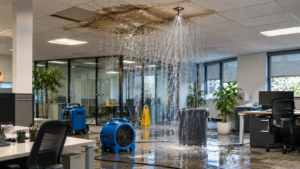
Related interior damage: Rain entering through a storm-created opening may damage ceilings, insulation, or interior finishes.
Coverage for interior water damage depends on the circumstances and relevant policy provisions.
A qualified inspection may help establish which damage resulted from the storm and whether repairs are required.
When Might an Insurance Company Deny a Roof Damage Claim?
Roof damage is not automatically covered simply because it becomes visible after a storm.
An insurer may determine that certain problems existed before the event or developed gradually through normal wear.
Common reasons for limitations or denial include:
- Age-related deterioration of roofing materials.
- Long-standing leaks or previously damaged sections.
- Maintenance-related defects.
- Policy exclusions for particular types of damage.
- Insufficient evidence connecting the loss to a covered event.
Some policies also contain roof-specific provisions that affect the settlement value based on material type or age.
If a claim is denied, homeowners can request an explanation and review the relevant policy language.
Professional inspection findings or additional photographs may help clarify disputed conditions, although reconsideration is not guaranteed.
How Should Homeowners Document Wind Damage?
Accurate records can make the insurance process easier to follow.
After the storm, document damage only from safe locations. Do not climb onto a damaged roof or approach unstable trees or electrical lines.
Useful documentation includes:
- Photographs of missing shingles and other visible damage.
- Images of fallen branches and affected exterior areas.
- Records of water intrusion inside the house.
- The date and approximate time of the storm.
- Professional inspection reports and repair estimates.
- Receipts for necessary temporary protection.
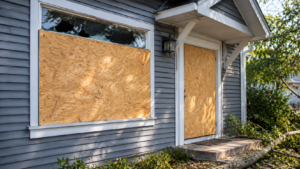
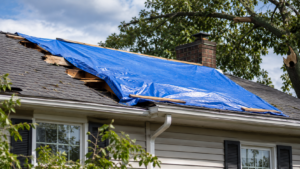
When roof openings expose the building to additional weather, emergency protection for damaged properties may be needed before permanent repairs can begin.
Keep documentation of temporary work and notify the insurer promptly about the incident.
Does Insurance Cover the Entire Roof Replacement?
Not necessarily. Whether insurance pays for localized repairs or more extensive replacement depends on the actual damage, roofing conditions, policy provisions, and applicable requirements.
Some claims involve replacing only damaged roofing sections, while others may require more extensive work.
Homeowners should not assume that a few missing shingles automatically justify replacing an entire roof.
Likewise, an older roof does not necessarily mean that all storm-related damage is excluded.
The insurer’s settlement method, deductible, and relevant coverage terms determine what portion of eligible expenses may be reimbursed.
What Should You Do While Waiting for the Insurance Claim?
Property owners should take reasonable steps to prevent additional damage when it is safe to do so.
This may include arranging temporary roof protection, restricting access to unsafe areas, and documenting interior water intrusion.
Urgent damage mitigation should not be unnecessarily postponed solely to preserve evidence, but photographs and invoices should be retained whenever possible.
After a storm, the priority is to establish the cause and extent of damage, prevent avoidable deterioration, and complete repairs in accordance with the property’s condition and the insurance policy.