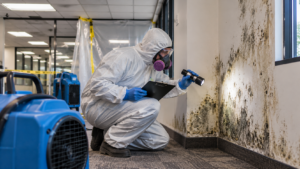
Yes, mold can return after remediation, particularly when the original moisture problem remains unresolved or new water damage occurs. Even properly cleaned and restored surfaces may develop mold again if they become damp for an extended period.
Understanding why mold returns helps homeowners distinguish between incomplete remediation, recurring water intrusion, and entirely new contamination. Effective prevention focuses on controlling moisture rather than attempting to eliminate every mold spore from the building.
Why Does Mold Return After Remediation?
Mold spores exist naturally in indoor and outdoor air. When they settle on suitable materials and sufficient moisture is present, growth can develop.
Several conditions can cause recurring problems:
- Unrepaired plumbing leaks. Slow leaks behind sinks, appliances, or inside walls may continue introducing moisture after visible mold has been removed.
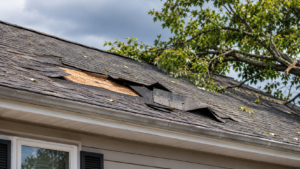
- Roof and foundation problems. Rainwater entering through damaged roofing, exterior walls, or foundations can repeatedly affect the same building materials.
- High indoor humidity. Persistent humidity can create favorable conditions for mold, particularly in basements and poorly ventilated spaces.
- Incomplete drying. Moisture trapped inside drywall, insulation, or flooring may remain after surfaces appear dry.
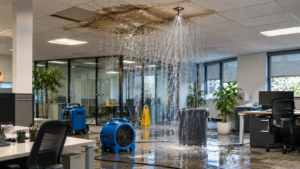
- New water damage. A separate plumbing failure or flooding incident can cause mold growth in an area that was previously restored.
The presence of recurring mold does not identify the cause by itself. Moisture conditions and affected materials must be evaluated before deciding what corrective work is necessary.
Does Mold Returning Mean the Remediation Failed?
Not always. Recurring mold can result from incomplete initial work, but it may also develop because of a new moisture problem.
For example, if mold was removed from a basement after a plumbing leak, a later foundation leak could create a separate problem in the same area.
On the other hand, mold that returns shortly after remediation may indicate that contaminated materials were not fully addressed or that moisture remained inside the building assembly.
It is important to distinguish between visible surface staining and active mold growth. Some discoloration can remain even after materials have been appropriately cleaned.
Investigating the current moisture source is more useful than assuming the previous remediation was either successful or unsuccessful.
How Can Homeowners Prevent Mold From Coming Back?
Preventing recurring mold requires consistent moisture management throughout the property.
The most effective measures include:
- Repair plumbing leaks promptly. Check connections beneath sinks, around washing machines, and near water heaters.
- Control indoor humidity. Use ventilation or dehumidifiers where necessary, especially in basements and other damp spaces.
- Improve ventilation. Ensure bathrooms, kitchens, and laundry areas have appropriate exhaust systems.
- Maintain roofing and drainage. Clean gutters, inspect downspouts, and address roof leaks before they affect interior materials.
- Respond quickly to water damage. Remove excess water and arrange appropriate drying after flooding or plumbing incidents.
- Monitor previously affected areas. Inspect locations where leaks or mold problems have occurred before.
The EPA recommends maintaining indoor relative humidity below 60%, ideally between 30% and 50% when practical.
Humidity control is particularly important in finished basements, crawl spaces, and areas where condensation occurs on cold surfaces.
Can Mold Return Even When the Surface Looks Clean?
Yes. A clean-looking surface does not necessarily mean the surrounding materials are dry.
For instance, moisture can remain behind drywall or beneath laminate flooring after the exposed area appears normal.
If the original leak continues, concealed materials may remain damp and support new mold growth.
Painting over stains or repeatedly applying cleaning solutions does not correct this underlying problem.
When concealed moisture is suspected, appropriate inspection methods may include moisture measurements and targeted examination of affected building assemblies.
When Should You Schedule Another Mold Inspection?
A new evaluation may be necessary when previously affected areas develop musty odors, visible staining, or signs of recurring dampness.
Other warning signs include peeling paint, swollen drywall, and moisture appearing around plumbing fixtures or windows.
If additional remediation becomes necessary, understanding how long mold remediation takes can help with planning, particularly when occupied rooms or business spaces are affected.
However, recurring odors or discoloration do not automatically confirm mold. A proper assessment should establish what is happening before materials are removed.
Is Permanent Mold Prevention Possible?
No building can be guaranteed to remain permanently free from mold. Spores are naturally present in the environment, and new moisture incidents can occur at any time.
Still, the risk of recurring growth can be substantially reduced through prompt leak repairs, effective drying, adequate ventilation, and regular maintenance.
The most important principle is simple: mold remediation addresses existing contamination, while moisture management helps prevent the conditions that allow it to return.