Mold remediation typically takes anywhere from a few days to several weeks, depending on the extent of contamination, accessibility, moisture conditions, and necessary repairs. A small, contained area may take only a few days to address, while extensive mold growth inside walls, ceilings, or flooring can require a longer process.
Homeowners should distinguish between the time needed to remove mold and the total time required to restore the property. Drying, repairing moisture sources, and replacing damaged materials can extend the project beyond the remediation stage.
What Factors Affect the Mold Remediation Timeline?
There is no universal schedule for mold removal because every property has different conditions. The main factors influencing the timeline include:
- Size of the affected area. Mold covering a small bathroom section generally requires less work than contamination extending throughout a basement or multiple rooms.
- Location of mold. Growth on accessible surfaces is easier to address than mold concealed behind drywall, beneath flooring, or inside ceiling cavities.
- Type of materials. Nonporous materials may be cleaned, while extensively contaminated drywall, insulation, and carpeting often require removal.
- Moisture levels. Wet building materials must be dried, and active leaks must be corrected to reduce the risk of recurring contamination.
- Containment requirements. Larger or more complicated projects may require additional preparation to prevent contaminated dust from spreading.
Accessibility is another consideration. Mold in a crawl space or narrow wall cavity can require more preparation than contamination in an open room.
What Happens During Professional Mold Remediation?
Mold remediation follows several stages designed to remove contamination and address the conditions that allowed it to develop.
- Initial assessment. The affected areas are examined, moisture sources are investigated, and the scope of remediation is established.
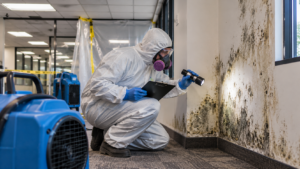
- Containment. Depending on the size and location of the problem, physical barriers and air filtration equipment may be used to limit the movement of mold-contaminated dust.
- Removal of damaged materials. Porous materials that cannot be adequately cleaned may need to be removed.
- Surface cleaning. Remaining materials are cleaned using methods suitable for the surface and contamination.
- Moisture correction. Leaks, excessive humidity, and other moisture problems are addressed.
- Completion evaluation. The area is checked for remaining contamination, visible dust, and unresolved moisture conditions.
Not every project requires all these steps to the same extent. For example, a small accessible area may need limited containment, while extensive contamination can require more elaborate procedures.
Why Can Mold Remediation Take Longer Than Expected?
Hidden damage is one of the most common reasons a remediation project becomes more complicated.
A small stain near a bathroom fixture may indicate moisture behind the wall. Once the area is examined, additional affected insulation or framing may be discovered.
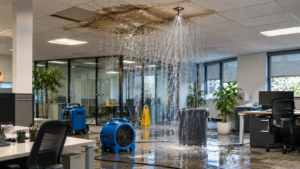
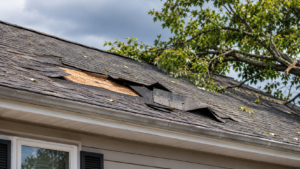
Ongoing water intrusion can also delay completion. If a roof continues leaking or water enters through a foundation, remediation cannot provide a lasting solution until the moisture source is controlled.
Drying may require additional time, particularly when water has penetrated dense materials or when indoor humidity remains high.
Some projects also require independent post-remediation verification. Scheduling this assessment and addressing any deficiencies can affect the total project duration.
Reconstruction should be considered separately. Replacing drywall, repainting, and installing new flooring can take additional time after contaminated materials have been removed.
Can You Stay at Home During Mold Remediation?
Whether occupants can remain in the property depends on contamination levels, the location of the work, and the ability to isolate affected areas.
Limited remediation in a separate room may allow normal activities to continue elsewhere. Extensive projects affecting bathrooms, kitchens, or essential living spaces may require temporary changes to occupancy.
People with asthma, respiratory sensitivities, or weakened immune systems may require additional precautions.
Homeowners should discuss access restrictions, containment procedures, and potential disruptions before remediation begins.
How Do You Know When Mold Remediation Is Complete?
Completion should be based on the condition of the affected area rather than a fixed number of days.
Important indicators include:
- The original moisture source has been addressed.
- Contaminated materials have been appropriately cleaned or removed.
- Remaining building materials meet suitable drying conditions.
- There is no visible mold growth or debris from remediation work.
- Any required post-remediation evaluation has been completed.
A successful project also includes recommendations for preventing mold from returning through moisture control, ventilation, and routine property maintenance.
Mold spores are naturally present in the environment, so a completely mold-free building is not a realistic objective. The goal is to correct abnormal contamination and maintain conditions that do not encourage new growth.
What Should Homeowners Remember About the Timeline?
Small mold problems may be resolved relatively quickly, while extensive contamination can require weeks of coordinated remediation and repairs. Estimates should account for both visible damage and moisture hidden inside building materials.
The most important measure of success is not how quickly work finishes, but whether the contamination and underlying moisture problem have been properly addressed.