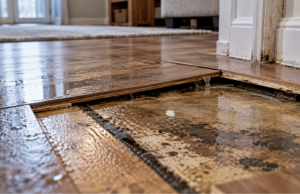
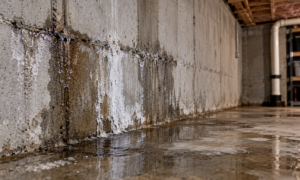
A small foundation crack may look harmless, but it can become a path for water when the soil around a home is saturated. Rain, snowmelt, poor drainage, and rising groundwater can all increase moisture pressure against the foundation. If water starts moving through a crack, the problem can affect basement walls, floors, insulation, and nearby building materials.
Why Do Foundation Cracks Leak?
Foundation cracks can develop for several reasons, including normal settling, soil movement, temperature changes, and long-term stress on concrete or masonry.
A crack does not always leak, but it can become an entry point when water collects around the foundation. After heavy rain or snowmelt, saturated soil increases pressure against basement walls. Water naturally moves toward openings and weak areas, and even a narrow crack may allow moisture indoors.
Poor grading, clogged gutters, short downspouts, and inadequate drainage can make the situation worse by directing more water toward the house.
Signs a Foundation Crack Is Letting Water In
A leaking foundation crack may not always produce a large amount of water. In many cases, the first signs are subtle.
Watch for:
- a crack that feels wet or damp;
- staining or discoloration around the crack;
- small puddles on the basement floor;
- moisture that appears after heavy rain;
- white mineral deposits near the crack;
- peeling paint or damaged finishes nearby.
Efflorescence, the white powdery material that sometimes forms on concrete or masonry, can indicate that moisture has been moving through the wall.
If the same area repeatedly becomes damp after storms, the crack may be acting as a water entry point.
When Is a Foundation Crack Serious?
Not every crack means there is a major structural problem, and the appearance of a crack alone is not enough to determine its severity.
However, certain signs should prompt closer inspection. These include cracks that continue to widen, repeated water intrusion, multiple cracks in the same area, visible movement in the wall, or moisture that persists even after the surrounding area has dried.
It is also worth investigating cracks that repeatedly allow water in after rain or snowmelt. Even when the crack itself is small, ongoing moisture can damage finishes, insulation, flooring, and other materials.
A professional inspection can help determine whether the issue is mainly related to water intrusion, drainage, or a broader foundation concern.
How Foundation Cracks Can Cause Basement and Crawl Space Moisture
Once water begins moving through a foundation crack, it may spread beyond the immediate area.
In a basement, moisture can travel along walls, reach the wall-to-floor joint, or collect beneath flooring. If the water source continues, larger areas may become damp even though only one visible crack is present.
For related warning signs, see Water Seeping Through Basement Walls: Common Causes and What to Do.
Foundation moisture can also affect crawl spaces. Water entering near the base of the home can increase humidity and keep wood or insulation damp for long periods. These conditions may contribute to recurring mold problems. See Crawl Space Mold: Signs, Causes and How to Stop It From Coming Back for more information.
Why Snowmelt Makes Foundation Leaks Worse
Snowmelt can significantly increase groundwater pressure around a foundation.
When temperatures rise quickly, large amounts of snow may melt within a short period. If the ground is still partially frozen or already saturated, water may stay close to the house instead of draining away.
That extra moisture can push against foundation walls and move through existing cracks or weak joints.
Homes that experience seasonal leaks may notice the problem more often in late winter or early spring. Basement Flooding From Snowmelt: Causes, Warning Signs and Prevention explains why this type of water intrusion becomes more common during thawing periods.
What to Do About a Leaking Foundation Crack
Start by identifying when the crack leaks and how much moisture is entering. Check whether the problem appears during rain, snowmelt, or periods of high groundwater.
Inspect the outside of the home for drainage issues. Gutters, downspouts, and grading should direct water away from the foundation rather than toward it.
Inside, dry the affected area and inspect nearby drywall, flooring, insulation, and stored materials. Moisture can spread beyond the visible crack and remain hidden in porous materials.
The crack itself may need repair, but sealing the opening without correcting exterior drainage may provide only a temporary solution.
In homes with recurring leaks, waterproofing or drainage improvements may also be necessary. The right approach depends on the source of the moisture, the location of the crack, and how often water enters.
The goal is not only to stop water at the visible opening, but also to reduce the conditions that allow moisture to build up around the foundation in the first place.