A musty smell in the basement is more than an unpleasant odor. In many homes, it is one of the first signs that excess moisture is collecting somewhere in the space. The source may be high humidity, condensation, a small leak, or water entering through the foundation. Mold can also produce a musty odor, even when no visible growth is present. Finding the source early helps prevent moisture from damaging walls, flooring, insulation, and stored belongings.
Why Does a Basement Smell Musty?
Basements naturally tend to be cooler and more humid than the rest of a home. When warm, moist air reaches cold basement walls, pipes, or floors, condensation can form and keep surfaces damp.
Other common causes include water entering after heavy rain, small plumbing leaks, groundwater around the foundation, or cracks that allow moisture to move indoors. Porous materials such as drywall, wood, carpeting, cardboard, and insulation can absorb this moisture and hold it for long periods.
When these materials remain damp, bacteria and mold may begin to grow. The result is often the familiar earthy or stale odor associated with a musty basement.
Signs That Moisture Is Hiding in Your Basement
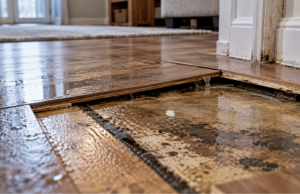
You do not need to see standing water to have a moisture problem. Small amounts of water can remain hidden behind walls, beneath flooring, or inside building materials.
Watch for signs such as:
- damp or unusually cold walls;
- peeling or bubbling paint;
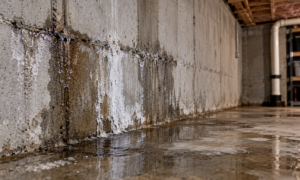
- white mineral deposits on concrete or masonry;
- warped flooring or wood;
- condensation on pipes, windows, or walls;
- dark staining near the floor or foundation;
- a musty odor that becomes stronger after rain.
If damp areas appear mainly during wet weather, the issue may involve water seeping through basement walls rather than normal indoor humidity. Identifying where the water is coming from is the first step toward preventing repeated damage.
Can a Musty Basement Smell Mean Mold?
A musty odor can be associated with mold, but smell alone does not confirm that mold is present. Similar odors can come from damp wood, wet drywall, old carpeting, stored cardboard, or other materials that have absorbed moisture.
However, persistent moisture creates conditions where mold can develop. Growth may occur behind drywall, beneath flooring, around insulation, or in nearby crawl spaces where it is difficult to see.
If the smell continues after the basement has been dried and ventilated, it is worth checking less visible areas. Homes with connected crawl spaces may also have moisture issues similar to those described in Crawl Space Mold: Signs, Causes and How to Stop It From Coming Back.
Why the Smell May Get Worse After Snow or Rain
A basement odor that becomes stronger after heavy rain or melting snow often points to exterior water intrusion.
When the soil around a home becomes saturated, water pressure against the foundation increases. Small cracks, porous masonry, poorly sealed openings, or drainage problems can then allow moisture to reach the basement.
Snowmelt can create the same problem. Large amounts of melting snow may soak the ground around the foundation in a short period of time, especially when the soil is still partially frozen and cannot absorb water efficiently. This is one reason basement flooding from snowmelt can become a recurring problem during late winter and early spring.
What Should You Do About a Musty Basement?
Removing the smell without fixing the moisture source usually provides only temporary relief. Start by determining where the excess moisture is coming from.
- Find the moisture source. Check plumbing, foundation walls, windows, sump pump areas, and places where water may enter after rain.
- Inspect walls and floors. Look for staining, peeling finishes, dampness, warping, or soft materials.
- Dry affected materials. Standing water and wet building materials should be addressed as soon as possible.
- Control indoor humidity. A dehumidifier can help reduce humidity, but it should not be treated as a substitute for repairing an active leak.
- Check for possible mold. Persistent odors, visible growth, or repeatedly damp materials may require closer inspection.
Cleaning or using air fresheners may temporarily mask the smell, but the odor is likely to return if hidden moisture remains.
When Professional Restoration May Be Needed
Professional inspection or restoration may be appropriate when the musty smell repeatedly returns, water continues to enter the basement, visible mold is present, or drywall, flooring, insulation, or other materials remain wet.
The goal is not simply to remove the odor. A proper restoration process identifies the source of moisture, dries affected areas, evaluates damaged materials, and helps reduce the risk of the same problem returning.