One of the first questions property owners ask after a fire is how long restoration will take. Unfortunately, there is no single timeline that applies to every property.
A small kitchen fire with limited smoke damage may require a very different recovery process than a major structural fire involving several rooms, firefighting water, damaged contents, and reconstruction.
Understanding the stages of Fire and Smoke Damage Restoration can help homeowners know what happens next and why some projects take longer than others.
What Determines the Fire Restoration Timeline?
Several factors affect how long recovery takes:
- size of the fire;
- amount of structural damage;
- extent of smoke and soot contamination;
- water used during firefighting;
- number of affected rooms;
- condition of belongings;
- required permits or reconstruction;
- availability of replacement materials.
A property that mainly requires cleaning and deodorization may be restored relatively quickly.
A home with structural damage, wet building materials, and extensive contents loss may require a much longer process.
Step 1: Emergency Assessment and Stabilization
The first stage begins once the property is safe to access.
Restoration professionals inspect the building, identify immediate hazards, and determine which areas require stabilization.
Broken windows, damaged roofing, or unsecured doors may need temporary protection.
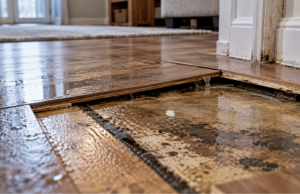
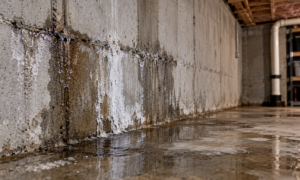
Water from firefighting may also need to be extracted before further restoration begins.
For the correct sequence immediately after a fire, see What to Do After a House Fire: First Steps Before Cleanup Begins.
Step 2: Soot, Smoke, and Odor Cleanup
After stabilization, attention turns to smoke and soot.
Different surfaces require different cleaning techniques, and some materials may need removal if contamination is too severe.
Learn more in Soot Damage After a Fire: What Can Be Cleaned and What Needs to Be Replaced?
Smoke odor may remain even after visible residue is removed.
For a detailed explanation, see How to Get Smoke Smell Out of a House After a Fire.
This stage can take longer when smoke has traveled through multiple rooms or entered HVAC systems and porous materials.
Step 3: Contents Restoration and Material Removal
Furniture, clothing, electronics, documents, and other belongings may need to be evaluated.
Some items can be cleaned and deodorized, while others may be too severely damaged.
See What Can Be Saved After a House Fire? Furniture, Clothing, Electronics and More for a closer look at salvage decisions.
Building materials that are burned, structurally damaged, heavily contaminated, or saturated with water may also need removal.
Professional Contents Restoration can take place alongside structural cleanup.
Step 4: Repairs and Reconstruction
Once damaged materials have been removed and the property has been cleaned and dried, repairs can begin.
This may include replacing drywall, flooring, insulation, cabinets, finishes, doors, or structural components.
The amount of reconstruction required is usually the biggest factor affecting the overall project timeline.
A light smoke-cleaning project may be completed relatively quickly, while major rebuilding can take considerably longer.
Can the Fire Restoration Process Be Accelerated?
Some delays can be reduced through early action and coordination.
Quick inspection, prompt water removal, timely insurance communication, and early decisions about salvageable materials can help keep the process moving.
However, important steps should not be rushed. Structural drying, soot cleaning, odor treatment, and safety evaluations must be completed correctly before finishes and reconstruction are installed.
For additional context, see Major Types of Fire Damage and How They Affect Properties.
Commercial property owners can also review Commercial Fire Damage: What Every Business Should Know.
Quality Restoration provides professional Fire and Smoke Damage Restoration and Contents Restoration, helping coordinate the different stages of recovery from emergency cleanup through final repairs.