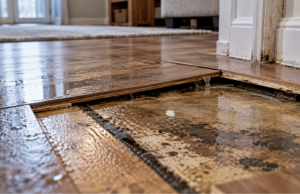
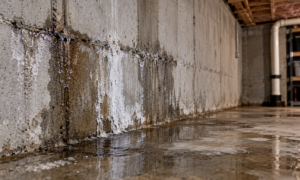
A leaking water heater can release a significant amount of water before the problem is noticed. Even a slow drip may damage flooring, drywall, insulation, cabinets, and belongings, while a failed tank can flood an entire room within a short time. The first actions you take can help limit the damage, but personal safety should always come first.
1. Check for Immediate Safety Hazards
Do not walk through standing water if it has reached electrical outlets, extension cords, appliances, or the electrical panel. Never touch a wet appliance that is still connected to power.
If the water heater is gas-powered and you smell or hear leaking gas, leave the building immediately. Do not switch lights on or off, use a phone inside, or attempt to locate the leak. Contact the gas utility or emergency services from outside the property.
Water leaking from the tank may also be extremely hot. Keep children and pets away from the affected area and avoid direct contact with the water until you know it is safe.
2. Stop the Water Supply
Locate the cold-water shutoff valve on the pipe entering the top of the water heater. Turn the valve clockwise until it is fully closed.
If the valve is damaged, difficult to reach, or will not stop the flow, shut off the property’s main water supply. Do not force a corroded valve, as it may break and make the leak worse.
Opening a hot-water faucet elsewhere in the building may reduce pressure in the system, but do not attempt to drain or move the tank unless you have the necessary experience.
3. Shut Down the Water Heater
For an electric water heater, switch off the corresponding circuit breaker only when the breaker panel and the path to it are completely dry.
For a gas water heater, follow the manufacturer’s shutdown instructions if there is no sign of a gas leak and the controls are safely accessible. If you are uncertain about the correct procedure, leave the unit alone and call a qualified plumber or gas technician.
Do not restart the water heater until the source of the leak has been identified and the appliance has been inspected.
4. Identify Where the Water Is Coming From
The location of the leak can help indicate the type of repair required. Common sources include:
- loose supply-line connections;
- a leaking drain valve;
- corrosion around the tank;
- a damaged temperature and pressure relief valve;
- condensation around a heat pump water heater;
- a crack or internal failure in the storage tank.
Water near the heater does not always mean the tank itself has failed. The leak may come from nearby plumbing, a drain line, or equipment positioned above the unit. A plumber should confirm the cause before any repair or replacement decision is made.
5. Document the Damage
Take clear photos and videos before removing damaged materials. Record the water heater, visible leak, standing water, affected flooring, walls, ceilings, furniture, and personal belongings.
Keep receipts for plumbing repairs, emergency water extraction, temporary accommodation, and restoration services. Contact your insurance provider promptly to ask about coverage and documentation requirements.
6. Remove Water Only When It Is Safe
For a small clean-water leak, use towels, a mop, or a wet/dry vacuum designed for water removal. Never use a standard household vacuum.
Move rugs, cardboard boxes, fabrics, and other absorbent belongings away from the wet area. Do not place furniture or storage containers back until the floor and surrounding materials have been thoroughly dried.
7. Check for Hidden Moisture
Removing visible water is only the beginning. Moisture may travel beneath flooring, behind baseboards, into drywall, or through the ceiling to the level below. A surface can feel dry while the subfloor, wall cavity, or insulation remains wet.
The EPA recommends drying water-damaged materials within 24 to 48 hours to help prevent mold growth. Professional assistance may be necessary when moisture has entered concealed building materials or affected a large area.
When to Call a Water Damage Restoration Company
Professional water damage restoration should be considered when:
- the tank released a large amount of water;
- water spread into adjoining rooms;
- hardwood, laminate, carpet, or drywall is wet;
- water reached a lower floor or finished basement;
- the leak continued for an unknown period;
- materials are swelling, buckling, stained, or soft;
- a musty odor develops;
- moisture may be trapped inside walls or floors.
A plumber repairs or replaces the water heater, while a restoration company addresses the damage caused by the escaped water. Professional restoration may include water extraction, moisture detection, structural drying, dehumidification, cleaning, and repairs.
How to Reduce the Risk of Future Water Heater Damage
Inspect the water heater and its connections regularly for corrosion, moisture, or slow drips. Keep the area around the unit clear so that leaks are easier to notice. A properly installed drain pan can help contain minor leakage, while leak sensors and automatic shutoff systems can provide additional protection. ENERGY STAR identifies drain pans and automatic leak-detection shutoffs as useful measures for reducing damage from water heater leaks.
Get Professional Help Before the Damage Spreads
A water heater leak can affect much more than the area immediately surrounding the tank. Quick action helps protect flooring, walls, ceilings, and indoor conditions from long-term moisture problems.
Quality Restoration provides 24/7 emergency water damage services, including water removal, moisture detection, structural drying, cleanup, and property restoration.
When a water heater begins leaking, stop the water if it is safe, shut down the appliance carefully, document the damage, and arrange professional inspection and drying before hidden moisture causes more serious property damage.