How Long Does Water Damage Take to Dry Out Completely?

Water damage does not dry at the same speed in every property. A small leak on a hard surface may dry within a day or two, while water trapped under flooring, behind walls, or inside insulation can take much longer. In many cases, complete drying may require several days, depending on the amount of water, the materials affected, humidity levels, and how quickly the drying process begins.

Typical Drying Timeline

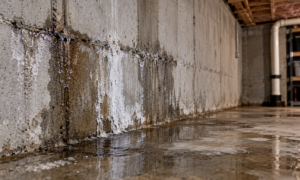
Minor water damage may dry in 24 to 48 hours if the water is removed quickly and the affected area has good airflow. This may apply to small spills, limited appliance leaks, or moisture on non-porous surfaces. Moderate water damage often takes 3 to 5 days to dry. This can happen when water reaches carpet, drywall, baseboards, subflooring, or wood materials. These surfaces absorb moisture and release it slowly. Severe water damage may take a week or longer. Flooding, burst pipes, sewage backups, or storm-related water intrusion can affect multiple layers of a building. In these cases, drying is not only about removing visible water but also about reducing hidden moisture inside structural materials.

What Affects Drying Time?

Several factors influence how long water damage takes to dry out completely. The first is the source and volume of water. A small clean water leak is usually easier to dry than widespread flooding or contaminated water. The type of material also matters. Tile, concrete, and vinyl surfaces may dry faster than carpet, drywall, wood, and insulation. Porous materials absorb water deeply and can hold moisture even when the surface appears dry. Indoor conditions are another important factor. High humidity, poor ventilation, and low temperatures can slow the drying process. Proper air movement and dehumidification help moisture evaporate more efficiently and reduce the risk of long-term damage.

Why Surfaces Can Be Misleading

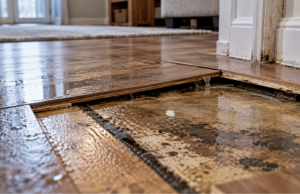
One of the biggest mistakes after water damage is assuming that an area is dry because it looks dry. Moisture may remain behind walls, under flooring, or inside cabinets and baseboards. This hidden moisture can lead to musty odors, staining, mold growth, and deterioration of building materials. Moisture meters and thermal imaging tools are often used during the restoration process to check areas that cannot be judged by appearance alone. Without proper monitoring, water damage may seem resolved while problems continue below the surface.

Risks of Incomplete Drying

If affected areas are not dried completely, moisture can continue to spread. Wood may swell or warp, drywall can soften, and insulation may lose effectiveness. Mold and mildew may also develop in damp, dark areas, especially when drying is delayed. Incomplete drying can increase repair costs and create indoor air quality concerns. For this reason, the goal is not simply to make the space look dry, but to make sure moisture levels return to a safe and stable condition. Water damage can take anywhere from a couple of days to more than a week to dry out completely. The exact timeline depends on the severity of the damage, the materials involved, and the drying methods used. Acting quickly, removing excess water, improving airflow, and monitoring hidden moisture are key steps in preventing further property damage.
Quality Restoration Expert

Quality Restoration is Here for You

Quality Restoration offers 24/7 emergency services, restoring properties after water, fire, mold, sewage, or storm damage.

Recent Post

In times of crisis, being well-informed can be a game-changer. Explore the insights of our experts on disaster preparedness, accelerating recovery, and every aspect in between. Our unwavering support is at your service.

Share on:
ChatGPT Perplexity AI Overviews Grok