A dishwasher leak may begin as a small puddle near the appliance, but water can quickly spread beneath cabinets, flooring, and nearby walls. Because much of the damage may remain hidden, wiping up the visible water is not always enough. Homeowners should stop the leak, inspect the surrounding area, and make sure moisture has not reached materials that are difficult to dry.
Turn Off the Dishwasher and Water Supply
Stop the dishwasher as soon as you notice water on the floor. If the plug can be reached without stepping into water or touching wet electrical components, disconnect the appliance. Otherwise, turn off the appropriate circuit breaker only when the electrical panel and the path to it are dry.
Locate the dishwasher’s water supply valve, which is usually under the kitchen sink, and close it. If the valve is damaged or does not stop the flow, shut off the home’s main water supply.
Do not restart the dishwasher until the source of the leak has been identified and repaired.
Check Where the Leak Started
The location of the water may help narrow down the cause. Common dishwasher leak sources include:
- A loose or damaged water supply line;
- A cracked, clogged, or disconnected drain hose;
- A worn door gasket;
- A faulty inlet valve or pump;
- A blocked filter or drain;
- Excess detergent or the wrong type of detergent;
- An appliance that is overloaded or not level.
Water near the front of the dishwasher may point to a door seal, detergent, or leveling problem. Water underneath or behind the appliance may be related to a hose, valve, pump, or internal connection.
A qualified appliance technician or plumber should inspect the dishwasher when the source is not obvious.
Look Under Nearby Cabinets
Dishwasher water often travels beneath the toe kick and into the base of neighboring cabinets. Open the cabinets on both sides of the appliance and check for dampness, staining, swelling, peeling finishes, or a musty smell.
Pay particular attention to the cabinet beneath the kitchen sink, where dishwasher supply and drain lines are commonly connected. Even when the visible leak appears small, water may have followed a pipe or hose into another section of the cabinetry.
Particleboard and medium-density fiberboard absorb moisture quickly. Swelling or crumbling edges may indicate that the material has already been affected.
Inspect the Flooring
Dry the visible puddle and examine the floor for changes. Warning signs include:
- Buckling or raised seams;
- Discoloration around the appliance;
- Soft or loose flooring;
- Cracked grout or lifting tiles;
- Warped hardwood boards;
- Moisture beneath vinyl or laminate.
Water can become trapped between the finished floor and the subfloor. Laminate may swell, hardwood may cup, and adhesive beneath vinyl may weaken. Tile itself may appear unaffected while moisture remains in the grout, underlayment, or subfloor.
Do not place mats or other coverings over the area until it is completely dry.
Check the Wall and Baseboards
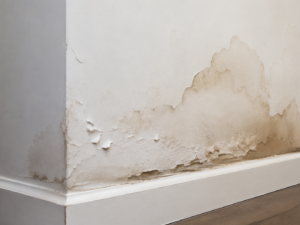
Inspect the baseboards and lower sections of nearby walls. Look for bubbling paint, staining, softened drywall, separated trim, or peeling caulk.
A dishwasher leak can enter the wall through gaps around cabinets, plumbing penetrations, or unfinished areas behind the appliance. Moisture inside a wall cavity may not create an immediate visible stain, so changes can appear several days later.
Examine the Room Below
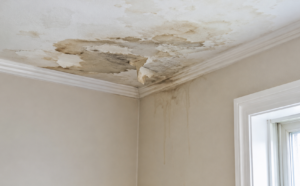
When the dishwasher is installed above a finished basement or another floor, inspect the ceiling directly below the kitchen. Watch for yellow or brown stains, damp patches, bubbling paint, sagging drywall, or dripping water.
Water may travel along floor joists or plumbing lines before appearing below, meaning the ceiling stain may not be located directly beneath the dishwasher.
Remove Water Safely
For a small clean-water leak, use towels, a mop, or a wet/dry vacuum designed for water removal. Never use a standard household vacuum on standing water.
Move rugs, cardboard boxes, food packages, and other absorbent items away from the wet area. Cabinet doors can be left open to improve airflow, and a dehumidifier may help reduce moisture in the room.
Fans should not be used when the leaking water contains sewage, drain backup, or other contamination, as airflow may spread contaminants through the property.
Watch for Signs of Hidden Moisture
Continue checking the affected area after the surface appears dry. Hidden moisture may cause:
- Persistent dampness;
- A musty or earthy odor;
- Dark spots or staining;
- Swollen cabinets;
- Warped flooring;
- Soft drywall;
- Peeling paint;
- Visible mold growth.
Moisture trapped beneath cabinets or flooring can remain unnoticed without proper inspection and moisture measurement. Quality Restoration notes that appliance overflows can leave water beneath floors, inside walls, and around cabinets even after visible cleanup is complete.
Document the Damage
Take photos and videos of the appliance, leak source, standing water, flooring, cabinets, walls, and affected belongings. Keep records of appliance repairs, plumbing work, cleanup expenses, and damaged materials.
Documentation may be useful when discussing the incident with a property manager, appliance warranty provider, contractor, or insurance company.
When a Dishwasher Leak Requires More Than Basic Cleanup
A minor leak caught immediately on a nonporous floor may be manageable with careful drying. A more detailed inspection is necessary when water has spread beneath cabinets, entered the flooring system, affected drywall, reached the room below, or remained unnoticed for several hours.
The dishwasher should remain off until the mechanical problem is corrected. The kitchen should also be checked again over the following days for odors, stains, warping, or other signs that moisture remains hidden.