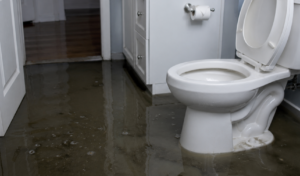
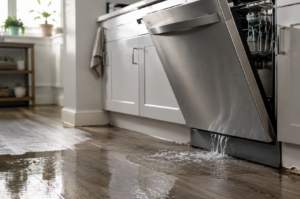
A sump pump is one of the main defenses against basement flooding. When it stops during heavy rain, snowmelt, or a power outage, groundwater can rise through the sump pit and spread across the floor before the problem is noticed. Fast action can limit damage, but electrical safety must come first.
Signs That a Sump Pump Has Failed
A failed pump does not always become completely silent. Warning signs may include unusual grinding or rattling, constant cycling, weak discharge, or a sump pit that continues filling while the pump runs.
Common causes include:
- A power outage or tripped breaker;
- A stuck or blocked float switch;
- Sediment or debris in the pit;
- A clogged intake or discharge line;
- A frozen exterior pipe;
- A damaged motor;
- A pump that cannot handle the incoming water volume.
FEMA recommends maintaining sump pumps so they can continue directing groundwater away from the home, and flood-prevention guidance advises using a secondary power source where possible.
What to Do When the Pump Stops
Do not enter standing water if it may be touching outlets, extension cords, appliances, or the electrical panel. If the breaker can be reached from a completely dry location, switch off power to the affected basement area. Otherwise, remain outside the water until the electrical risk is assessed.
Check whether the home has power and whether the pump’s breaker or ground-fault outlet has tripped. Reset it only once. Repeated tripping can indicate an electrical or mechanical fault.
If the pump has power but does not start, inspect the float from a safe, dry position. It may be trapped against the pit wall or obstructed by debris. Do not dismantle or handle a wet pump during active flooding.
A portable emergency pump may help remove water, but it must be suitable for water extraction and used according to the manufacturer’s instructions. Never use a standard household vacuum.
Inspect More Than the Visible Floor
Once the basement is electrically safe, remove standing water and move boxes, rugs, furniture, electronics, and other belongings away from the affected area.
Check whether moisture has reached:
- Carpet and padding;
- Laminate or hardwood flooring;
- Drywall and insulation;
- Baseboards and wall framing;
- Built-in cabinets;
- HVAC or utility equipment;
- Adjacent rooms or crawl spaces.
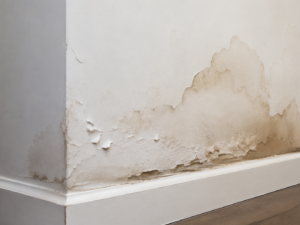
Inspect the lower sections of walls for staining, swelling, softness, peeling paint, or a musty smell. Water may remain beneath flooring or inside walls even after the concrete surface appears dry.
The EPA advises drying wet materials within 24 to 48 hours because prolonged moisture increases the likelihood of mold growth. Dehumidifiers and controlled air movement may support drying after the water source is stopped, but saturated drywall, insulation, and carpet padding may require removal.
How to Prevent Another Sump Pump Failure
Test the pump before periods of heavy rain or seasonal snowmelt. Pour water into the pit until the float rises, then confirm that the pump starts, removes the water, and switches off normally. Keep the pit clear of gravel, dirt, and other debris.
Inspect the discharge pipe outside. It should remain clear and direct water away from the foundation. A blocked, frozen, or disconnected pipe may prevent drainage or cause water to return toward the basement.
Add a battery-powered backup pump or another secondary power source. Storms that raise groundwater levels may also interrupt electricity, leaving a standard pump unable to operate. A high-water alarm or leak sensor can provide an early warning before water spreads.
Store documents, electronics, valuables, and cardboard boxes on shelving rather than directly on the basement floor. Water-resistant containers provide additional protection in areas with a history of seepage or flooding.
When Additional Inspection Is Necessary
A small amount of water on unfinished concrete may be manageable when removed immediately. A more detailed moisture inspection is appropriate when water has reached finished walls, flooring, insulation, electrical equipment, or HVAC systems.
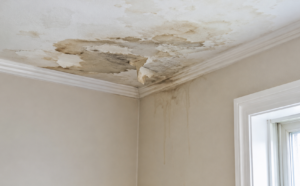
Continue checking the basement for several days. Warped flooring, new stains, peeling finishes, persistent humidity, or musty odors can indicate that hidden materials remain wet.