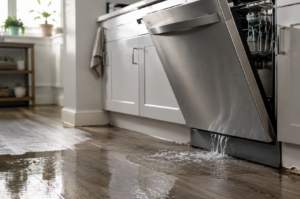
A toilet overflow can quickly become more than a plumbing inconvenience. Water may spread beneath flooring, soak baseboards, enter wall cavities, or leak through the ceiling below. When the overflow contains waste or results from a sewer backup, the affected area may also be contaminated. Acting quickly helps limit damage, but safety should come before cleanup.
Stop the Water Flow
Do not flush the toilet again. Remove the tank lid and lift the float or close the flapper if water is still entering the bowl. Next, turn the shutoff valve behind the toilet clockwise until the water stops.
If the valve is stuck, damaged, or ineffective, shut off the home’s main water supply. Avoid forcing a corroded valve because it may break and create another leak.
Keep People and Pets Away
Water that has entered the toilet bowl should be treated as contaminated, even when it appears clear. Keep children and pets out of the bathroom, and avoid walking through the water unnecessarily. Shoes can carry contamination into hallways, bedrooms, and other areas.
When limited handling is unavoidable, wear waterproof gloves, rubber boots, and eye protection. The CDC recommends gloves, boots, and goggles when sewage is involved. Wash exposed skin thoroughly with soap and water after leaving the affected area.
Check for Electrical Hazards
Look for outlets, extension cords, appliances, heated-floor controls, or other electrical equipment near the water. Do not touch electrical devices while standing on a wet surface.
Turn off the affected circuit only when the breaker panel and the path to it are completely dry. If water has reached wiring, outlets, or fixtures, stay out of the area until the electrical risk can be assessed safely.
Never use a standard household vacuum to remove standing water.
Determine Why the Toilet Overflowed
Common causes include:
- Too much toilet paper or a foreign object;
- A blockage in the toilet trap or drain;
- A clogged main sewer line;
- Tree roots inside an underground pipe;
- A full or malfunctioning septic system;
- A backup affecting multiple plumbing fixtures.
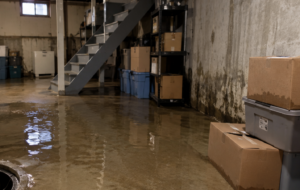
If only one toilet is affected and other drains operate normally, the blockage may be local. If sinks, tubs, floor drains, or additional toilets are also backing up, stop using water throughout the house. Running a washing machine, dishwasher, shower, or faucet may send more wastewater into an obstructed drainage system.
Document the Damage
Take photos and videos before removing damaged materials. Record the toilet, standing water, flooring, baseboards, walls, cabinets, and any stains or moisture on the ceiling below.
Keep receipts for plumbing repairs, cleanup materials, damaged belongings, and replacement work. Documentation may be useful when communicating with an insurer, landlord, property manager, or contractor.
Remove Wet Items Carefully
Move bath mats, towels, toilet paper, cardboard packaging, and other absorbent items away from the affected area. Place contaminated disposable materials in strong plastic bags before carrying them through the home.
Porous materials are difficult to sanitize after contact with toilet wastewater. Carpet padding, insulation, unfinished wood, and sections of drywall may retain both moisture and contamination after the surface appears dry.
Do not combine contaminated fabrics with normal household laundry until you know they can be cleaned safely.
Inspect Areas Beyond the Visible Puddle
Overflow water often travels through grout lines, flooring joints, gaps around the toilet base, and openings around plumbing pipes. Check:
- Beneath the vanity;
- Behind baseboards;
- At bathroom thresholds;
- Inside nearby closets;
- Around the toilet flange;
- On the ceiling below the bathroom.
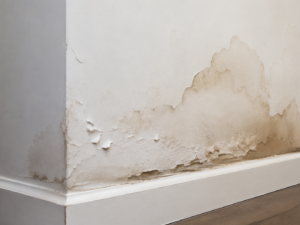
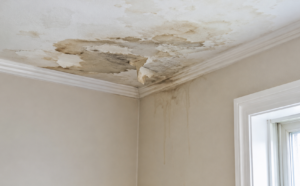
Warning signs of hidden damage include swollen trim, loose flooring, dark stains, soft drywall, bubbling paint, sagging ceiling material, and persistent odors.
A dry-looking surface does not necessarily mean that the subfloor, wall cavity, insulation, or nearby framing is dry. Hidden moisture can remain beneath flooring and behind finished materials after visible water has been removed.
Clean and Disinfect Hard Surfaces
Hard, nonporous materials may be cleaned and disinfected with a product approved for the affected surface. Follow the manufacturer’s instructions, use proper ventilation, and keep cleaning products away from children and pets.
Never mix bleach with ammonia, acids, toilet bowl cleaners, vinegar, or other household chemicals. Combining cleaning products can produce dangerous gases.
Avoid pointing fans across untreated sewage-contaminated surfaces. Air movement may spread droplets and contaminated particles into other areas.
Dry the Bathroom Thoroughly
After contaminated materials have been removed and surfaces have been cleaned, the structure must be dried. Open cabinet doors where appropriate, reduce indoor humidity, and monitor flooring, walls, and ceilings for continuing dampness.
The EPA recommends cleaning and drying wet building materials within approximately 24 to 48 hours to reduce the risk of mold growth. Materials that remain wet longer may require closer inspection or replacement.
Monitor the Area After Cleanup
Continue checking the bathroom and surrounding rooms during the following days. Watch for:
- Musty or sewage-like odors;
- New wall or ceiling stains;
- Warped or loose flooring;
- Swollen baseboards or cabinets;
- Peeling or bubbling paint;
- Soft drywall;
- Visible mold growth.
Recurring stains, moisture, or odors may indicate hidden water, incomplete cleaning, or a plumbing problem that has not been fully corrected.
Prevent Future Toilet Overflows
Use a moderate amount of toilet paper and never flush wipes, paper towels, diapers, hygiene products, cotton items, grease, or household waste. Products labeled “flushable” may still contribute to plumbing blockages.
Do not ignore slow flushing, gurgling drains, recurring clogs, or sewage odors. These symptoms may indicate a developing drain, sewer-line, or septic problem.