A roof leak does not always produce an obvious stream of water. Moisture can travel along rafters, insulation, pipes, or wiring before it becomes visible. By the time a stain appears on a ceiling, water may already have affected materials above or behind it. Recognizing the warning signs early can help limit structural damage and moisture-related problems.
Ceiling and Wall Stains
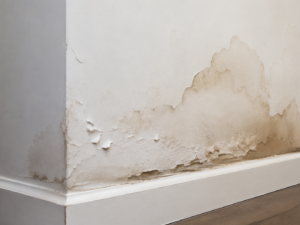
Yellow, brown, or copper-colored marks on a ceiling are among the most common signs of roof leak water damage. A stain may grow after rain, fade during dry weather, or appear several feet from the actual opening in the roof.
Water can also leave streaks on walls, especially near exterior corners, chimneys, skylights, and roof valleys. Do not assume an old-looking stain is harmless. If it returns or changes after rainfall, moisture may still be entering the building.
Bubbling Paint or Peeling Wallpaper
Paint that bubbles, flakes, or separates from the surface may indicate moisture behind drywall. Wallpaper may loosen at the seams, wrinkle, or develop dark marks.
Painting over the area will not solve the problem. The leak must be located, and the wall or ceiling cavity should be checked for trapped moisture before cosmetic repairs begin.
Sagging or Soft Ceilings
A ceiling that appears bowed, swollen, or soft may be holding water. Saturated drywall can lose strength and may collapse.
Keep people and pets away from the area. Do not puncture a bulging ceiling while standing underneath it, and do not touch wet materials near lights, wiring, or electrical fixtures.
Musty Odors and Mold
A persistent musty smell in an attic, upper-floor room, closet, or hallway can indicate hidden moisture. The odor may become stronger after rain or during humid weather.
Black, green, gray, or white spotting on ceilings, walls, attic sheathing, or insulation may also point to a continuing moisture problem. Cleaning the surface without repairing the roof and drying the affected materials will not address the cause.
The EPA recommends drying wet materials within 24 to 48 hours because prompt moisture control can reduce the likelihood of mold growth.
Wet Attic Insulation
Wet insulation may look flattened, clumped, discolored, or darker than the surrounding material. It can hold moisture against roof decking, rafters, and ceiling surfaces while hiding the path the water followed.
Inspect attic areas only when they are safe and accessible. Watch for damp wood, rusted fasteners, peeling surfaces, or daylight around vents and roof penetrations.
Damage Around Chimneys, Vents, and Skylights
Roof leaks often develop around flashing, seals, valleys, vents, skylights, and chimneys. Water entering at one point may travel before dripping into the living area, so the interior stain may not be directly below the damaged section of roof.
Missing shingles, lifted flashing, cracked sealant, or debris impact after a storm should not be ignored. Quality Restoration lists roof leaks and missing shingles among conditions connected with storm damage restoration.
Water Near Electrical Fixtures
Dripping water near a ceiling light, fan, outlet, or electrical box is an immediate safety concern. Do not touch the fixture or operate nearby switches.
If the breaker panel and the path to it are completely dry, power to the affected circuit may be turned off. Otherwise, keep away from the area until the electrical risk has been assessed.
Warped Flooring or Lower-Level Damage
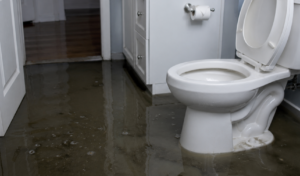
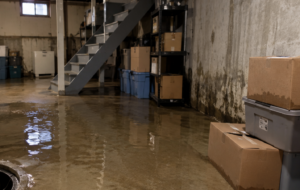
A roof leak can affect more than the attic and top floor. Water may move through wall cavities and appear around baseboards, windows, door frames, or flooring below the original entry point.
Look for swollen wood, lifting laminate, peeling trim, soft drywall, or new ceiling stains on a lower level. These signs may mean the water has traveled farther than expected.
Unusually High Indoor Humidity
Condensation on windows, damp air, or higher humidity on an upper floor may accompany a hidden roof leak. Although humidity can have several causes, it should be investigated when it appears together with stains, odors, or wet attic materials.
A dehumidifier may reduce moisture in the air, but it does not replace roof repair or proper drying of wet building materials.
What to Check After Heavy Rain
After a storm, inspect accessible rooms and attic areas for new stains, dripping water, damp insulation, or moisture around vents and chimneys. From the ground, look for missing shingles, damaged flashing, fallen branches, or overflowing gutters.
Do not climb onto a wet, icy, steep, or visibly damaged roof. Exterior inspection should be performed with appropriate equipment and safety precautions.
Document and Monitor the Damage
Photograph stains, wet materials, damaged belongings, and visible roof defects. Note the date, recent weather conditions, and whether the affected area changes after additional rainfall.
Do not repaint, close the ceiling, or reinstall insulation until the source has been repaired and the materials are dry. A surface may look normal while moisture remains inside the ceiling or wall assembly.