Drywall can absorb water from plumbing leaks, roof damage, overflowing appliances, flooding, or persistent condensation. In some cases, the problem is immediately visible. In others, moisture remains behind paint, wallpaper, trim, or cabinets until the material begins to deteriorate.
Recognizing the early signs of water-damaged drywall can help homeowners locate the source, limit the affected area, and avoid covering a problem that has not been fully resolved.
Look for Yellow, Brown, or Dark Stains
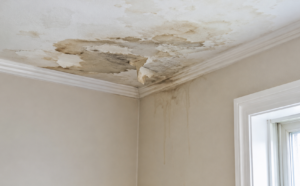
Discoloration is one of the most recognizable signs of drywall water damage. A leak may create a yellow or brown ring on a ceiling, an irregular stain on a wall, or a darker area near the floor.
The visible stain does not always show the exact location of the leak. Water can travel along pipes, framing, or ceiling joists before soaking into the drywall. A ceiling mark several feet from a bathroom fixture, for example, may still be connected to a plumbing problem above it.
Do not simply paint over the stain. The water source and the moisture inside the material should be addressed first.
Check for Bubbling or Peeling Paint
Paint may bubble, blister, crack, or peel when moisture becomes trapped between the coating and the drywall surface. Wallpaper may loosen at the seams or separate from the wall.
These changes often appear after a slow leak behind the wall, condensation around a pipe, or repeated moisture exposure. Even when the surface later feels dry, the drywall paper or wall cavity may still hold moisture.
Gently Test for Softness
Dry drywall should feel firm. Water-damaged drywall may feel soft, spongy, chalky, or unusually flexible when pressed gently.
Do not push hard into a wet wall or ceiling. Saturated drywall can crumble, and a sagging ceiling panel may fall without warning. Keep people and furniture away from any section that appears swollen, bowed, or unstable.
Softness near baseboards, plumbing fixtures, windows, or the bottom of basement walls may indicate that water has entered from a nearby leak or from the floor.
Watch for Swelling, Warping, and Sagging
Drywall can lose its shape after absorbing water. Common changes include:
- Bulges or waves in the wall;
- Sagging sections of ceiling;
- Swollen seams;
- Gaps between drywall and trim;
- Cracks around joints;
- Loose tape or joint compound;
- Protruding fasteners.
A sagging ceiling requires particular caution because water may be collecting above the panel. Do not puncture it or stand underneath it without first assessing electrical and structural hazards.
Notice Musty or Unusual Odors
A persistent musty smell may indicate hidden dampness or microbial growth, even when the wall looks normal. The odor may be strongest near baseboards, closets, cabinets, or areas with limited airflow.
Mold can grow on paper-faced drywall when moisture is not removed promptly. The EPA recommends drying water-damaged materials within approximately 24 to 48 hours to reduce the risk of mold growth.
An odor alone does not confirm the location or extent of mold, but it should not be ignored when there has been a recent leak or recurring moisture problem.
Check for Visible Mold
Mold on drywall may appear as black, green, gray, white, or brown spotting. It can form on the painted surface, behind wallpaper, along drywall seams, or on the paper backing inside a wall cavity.
Do not assume that wiping the surface solves the problem. If moisture remains behind the drywall, growth may return. Water-damaged porous materials can also be difficult to clean completely, especially after flooding, sewage exposure, or prolonged saturation.
The EPA advises using appropriate protective equipment during mold cleanup and notes that extensive or contaminated damage may require experienced professional handling.
Inspect Baseboards and Nearby Materials
Drywall damage is often accompanied by changes in surrounding materials. Check for:
- Swollen or separated baseboards;
- Warped flooring;
- Damp carpet edges;
- Rusted drywall fasteners;
- Stained cabinets;
- Cracked caulk;
- Wet insulation;
- New marks on the ceiling below.
Water commonly moves behind trim and beneath flooring before becoming visible on the main wall surface. Removing visible water from the room does not guarantee that the wall cavity is dry.
Consider Where the Water May Be Coming From
The position of the damage can help identify possible sources.
Ceiling stains may be related to a roof leak, an upstairs bathroom, plumbing lines, or an HVAC system. Damage near the floor may come from an appliance leak, basement seepage, flooding, or a broken supply line. Moisture around windows may result from failed exterior seals, flashing problems, or condensation.
The source must be stopped before the drywall is repaired. Replacing the damaged section without correcting the leak will allow the problem to return.
Use Moisture Detection Instead of Guessing
A wall can look and feel dry while moisture remains inside it. Restoration inspections may use moisture meters and thermal imaging to locate elevated moisture in walls, ceilings, and other concealed areas. Quality Restoration includes moisture mapping as part of its water damage process because hidden water can affect drywall, insulation, framing, and flooring.
Consumer moisture meters may help compare a suspicious area with a known dry section of the same wall. However, readings can be affected by metal fasteners, pipes, wiring, surface materials, and the type of meter used. A single reading should therefore be considered together with visible damage, the leak history, and surrounding conditions.
Can Water-Damaged Drywall Be Saved?
Drywall may sometimes be dried in place when the water was clean, exposure was limited, drying began quickly, the material remains firm, and the seams are intact. EPA guidance states that drywall may be dried in place when there is no obvious swelling and the seams remain sound.
Removal is more likely to be necessary when the drywall is:
- Sagging, crumbling, or structurally weakened;
- Heavily swollen or deformed;
- Contaminated by sewage or floodwater;
- Covered with significant mold growth;
- Wet for an extended period;
- Hiding saturated insulation;
- Unable to dry completely inside the wall cavity.
The decision should be based on the water source, duration of exposure, contamination level, moisture readings, and physical condition of the material.
Do Not Repair the Surface Too Early
New paint, joint compound, wallpaper, or trim should not be installed until the leak has been repaired and the drywall and wall cavity are dry. Closing a damp wall can trap moisture, encourage mold growth, damage new finishes, and hide continuing deterioration.
After drying, continue monitoring the area for renewed staining, odors, softness, peeling paint, or changes in shape. A recurring symptom usually means the moisture source was not completely corrected.